
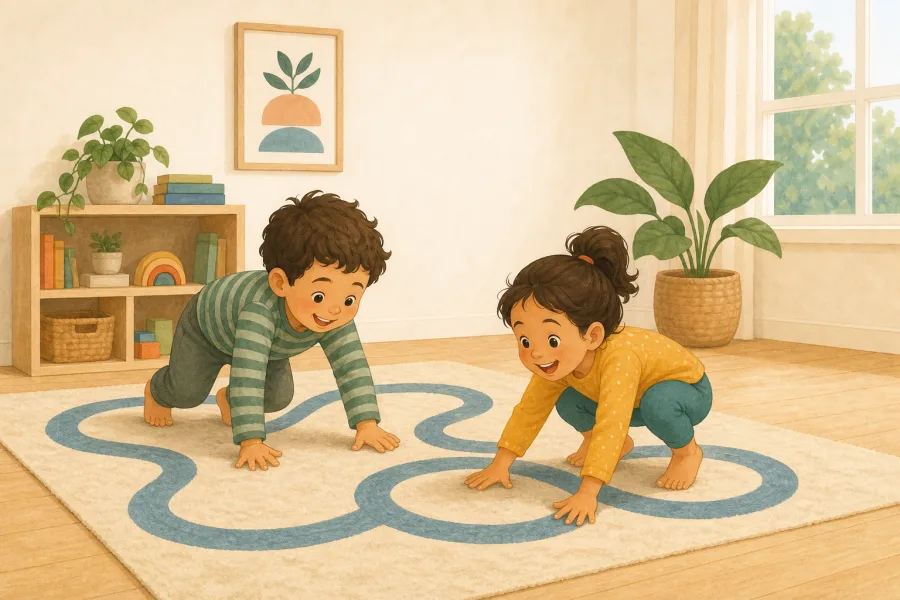
Animal Walk Race
Crawl, hop, and stomp to the finish line like your favorite animals.
Ages 2–7 ⏱ 10 min Nothing needed
Three-year-olds can hold a short sequence, enter pretend worlds, and practise rules—especially when the game still leaves room for their own idea.
🎛 Fine-tune in the Activity FinderBrowse the collection
Crawl, hop, and stomp to the finish line like your favorite animals.

Stretch like a cat, balance like a flamingo, roar like a lion — yoga disguised as a trip to the zoo.
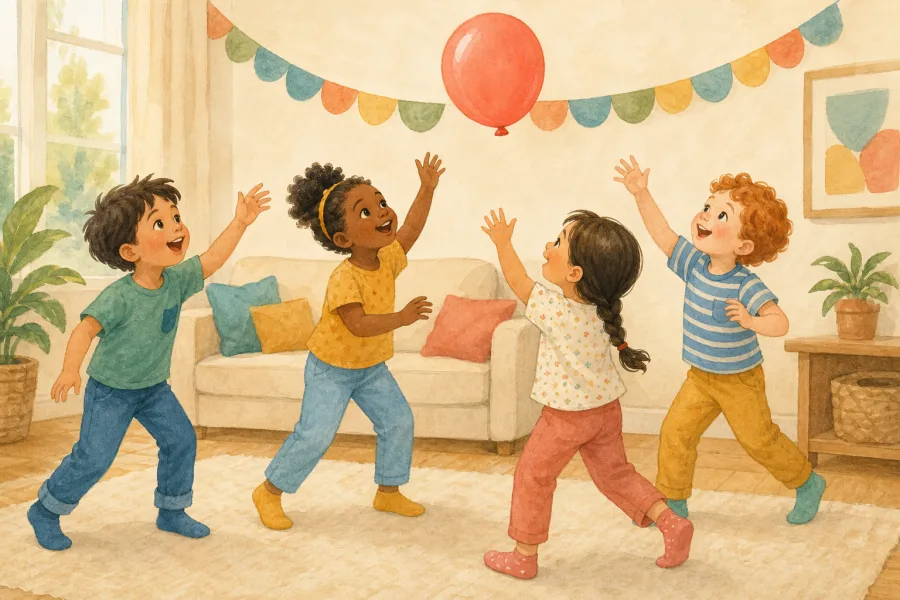
One balloon, one rule: don't let it touch the floor. Instant cooperative chaos.
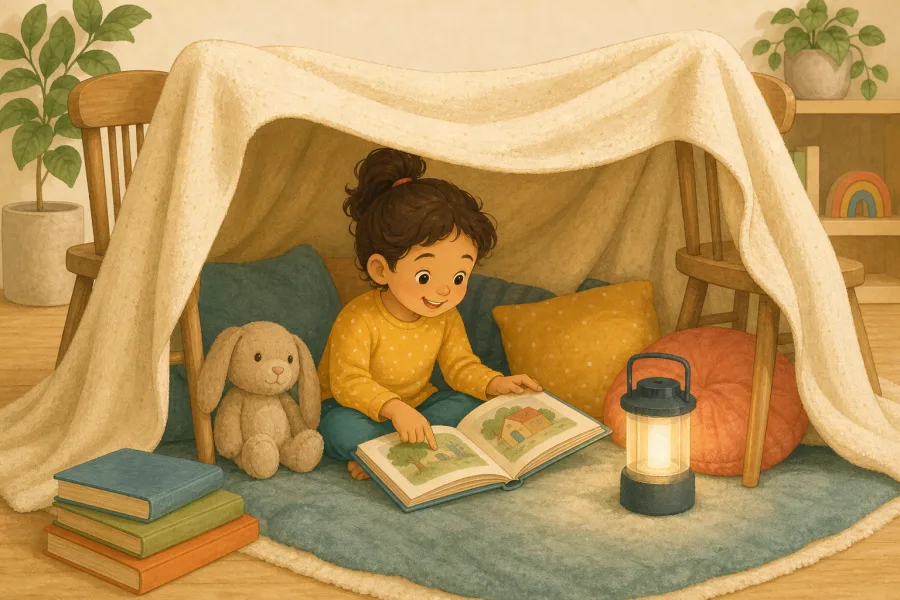
Build a cozy den from blankets, then hide inside with books and a flashlight.
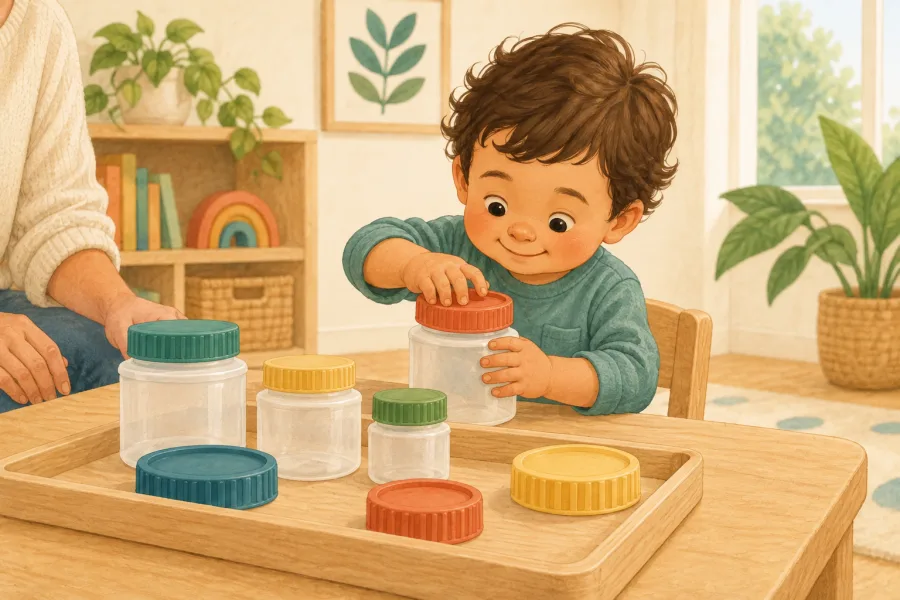
A tray of jars and bottles with caps to twist off and on — real work for small serious hands.
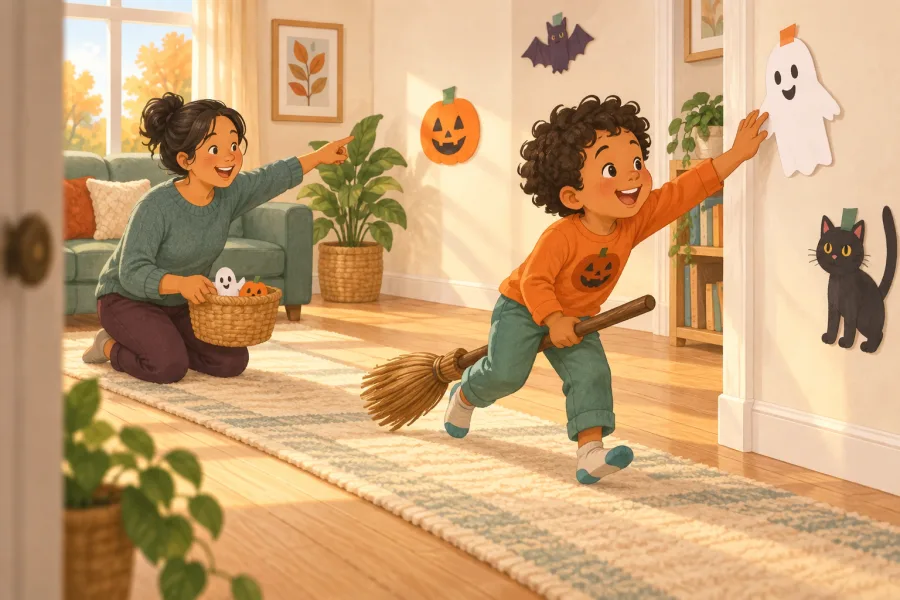
Climb onto a broom and collect the friendly Halloween characters hidden around the room.
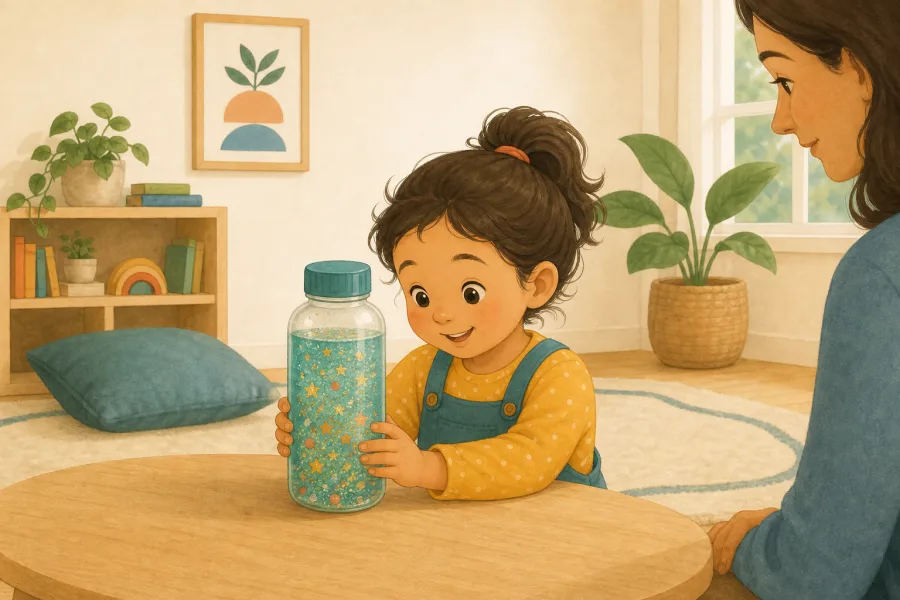
Shake it, watch the glitter storm settle, and feel your own storm settle too.
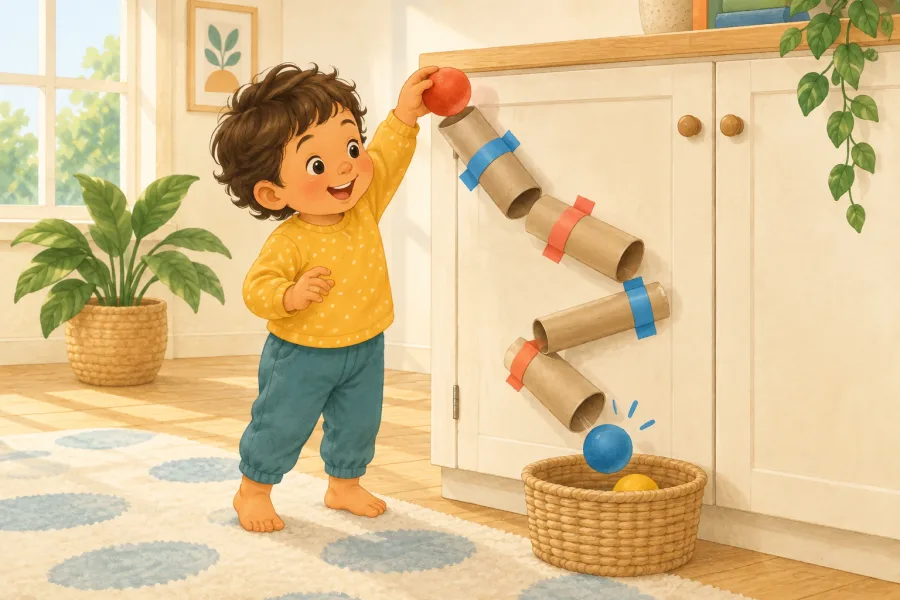
Tape paper towel tubes to the wall, hand over a cup of pom-poms, and watch gravity do the entertaining.
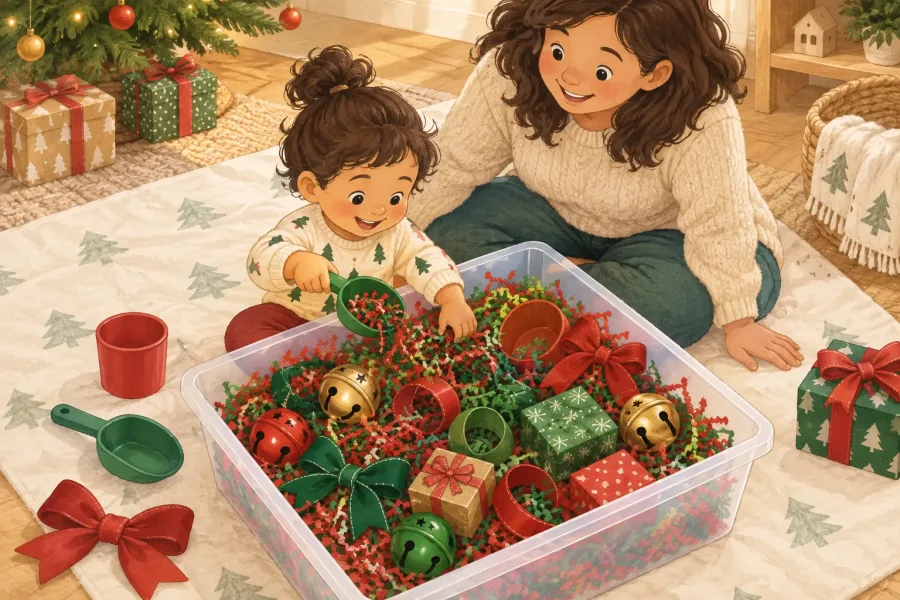
Bells, bows, ribbon and scoops in one tub: December in a box, hands-first.
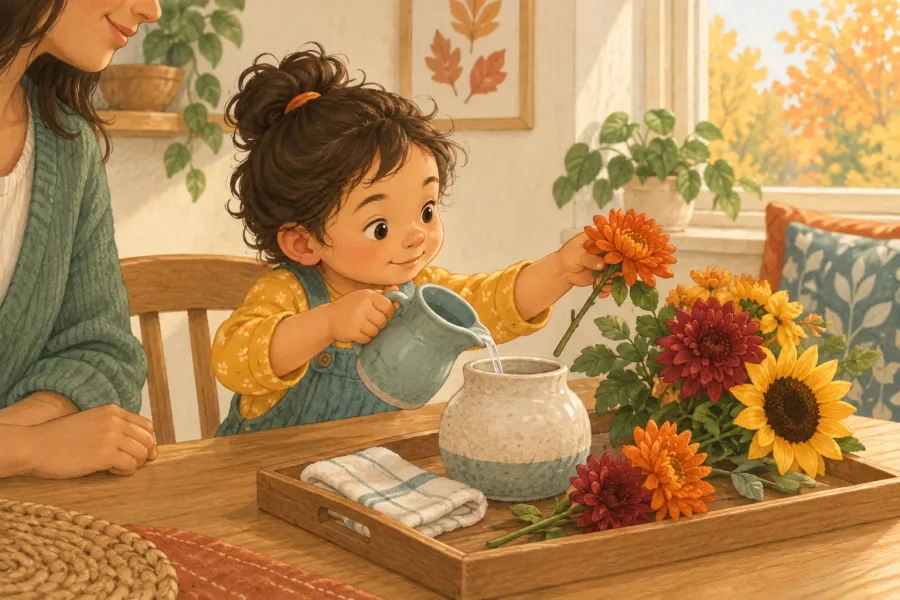
A small vase, a jug of water, and autumn flowers: real florist work for very small florists.
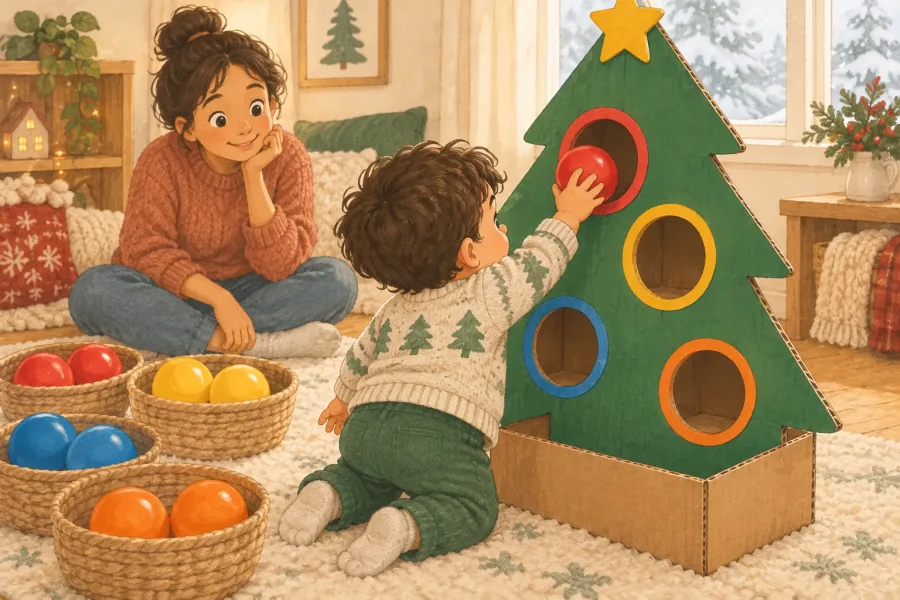
Post large colored balls through matching holes in a sturdy cardboard Christmas tree.

Hand over a whole ear of corn and let those little hands rip, peel and discover dinner.
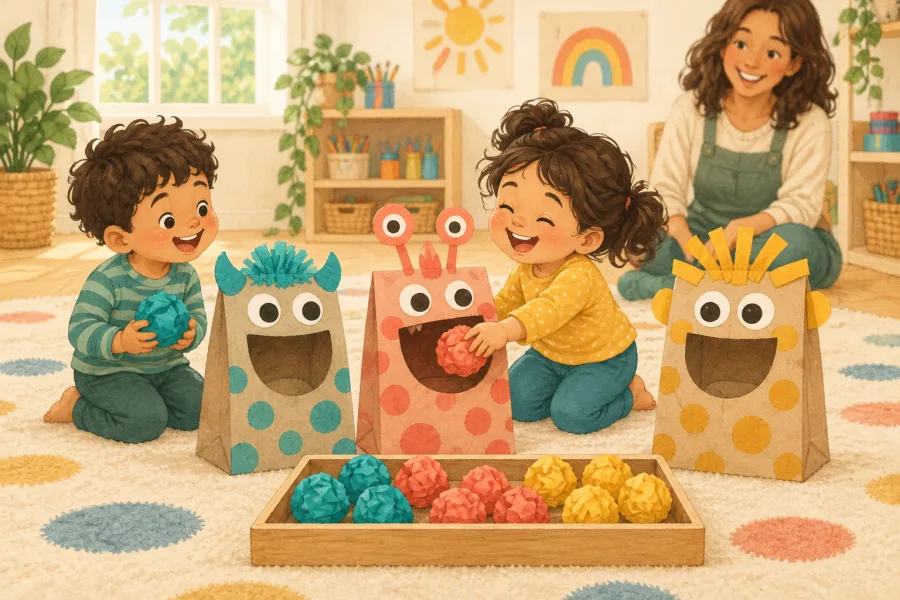
Make friendly paper-bag monsters, then feed each one a large paper ball in its matching color.
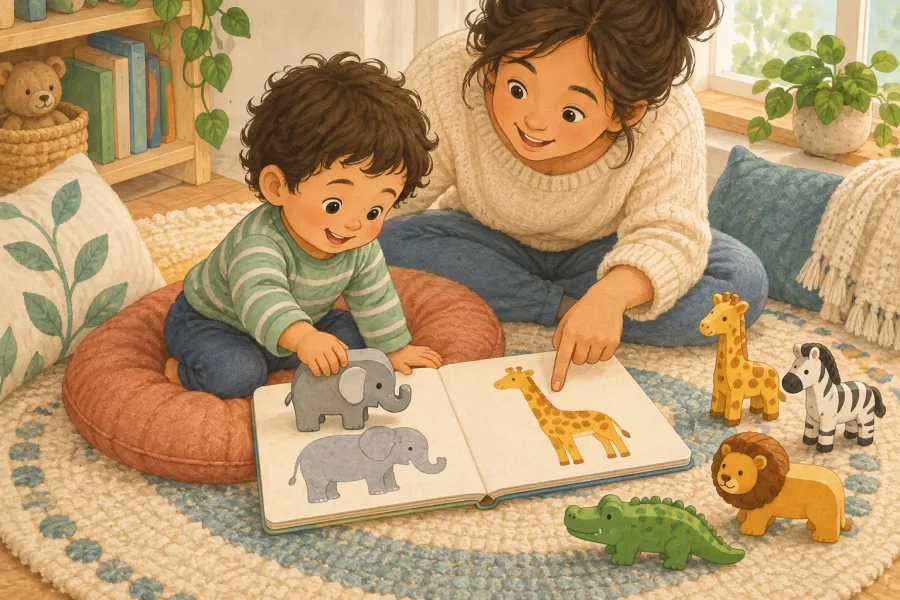
Toy animals meet their portraits: match the plastic elephant to the elephant on the page.
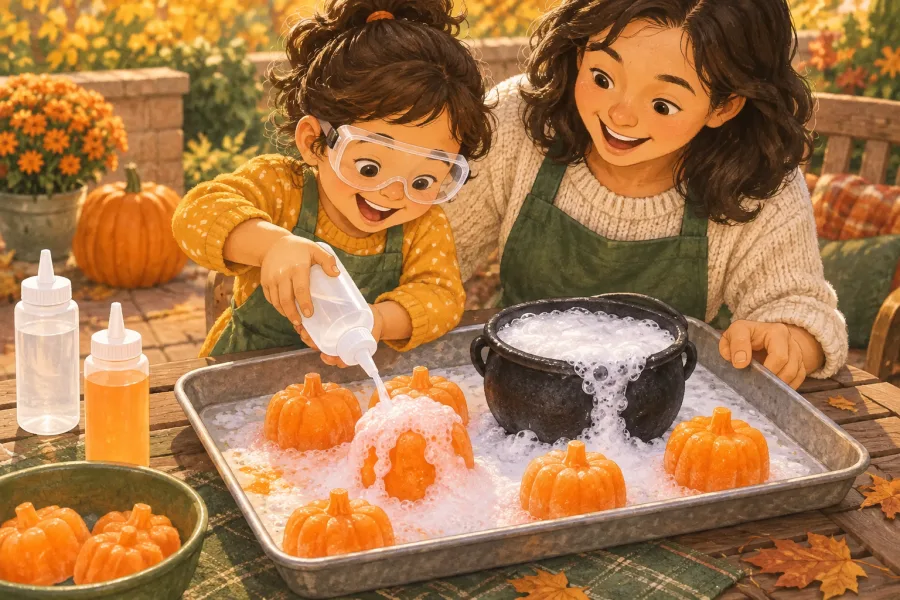
Drip vinegar onto frozen baking-soda pumpkins and watch the foamy reaction unfold.
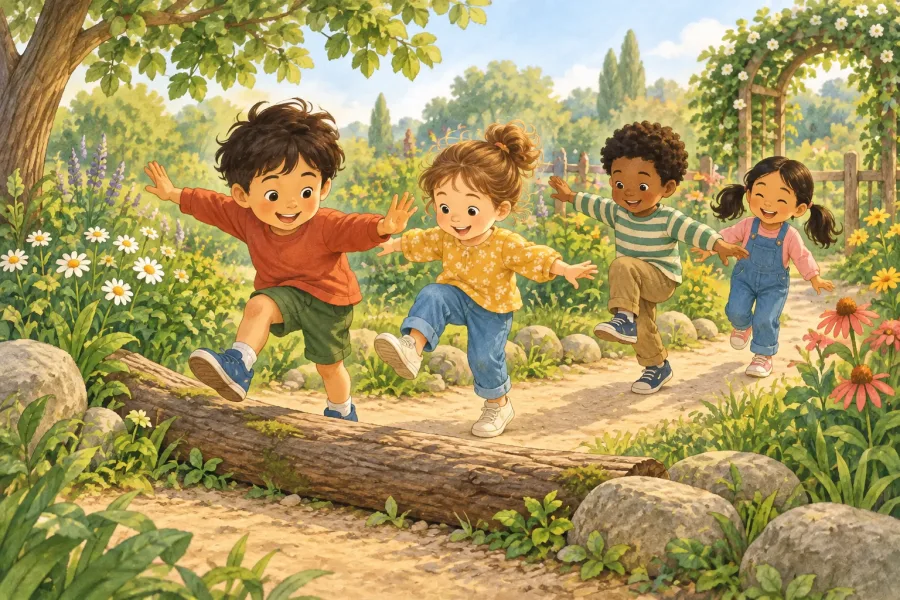
March, hop, wiggle — one child chooses the movement and everyone else tries to keep up.
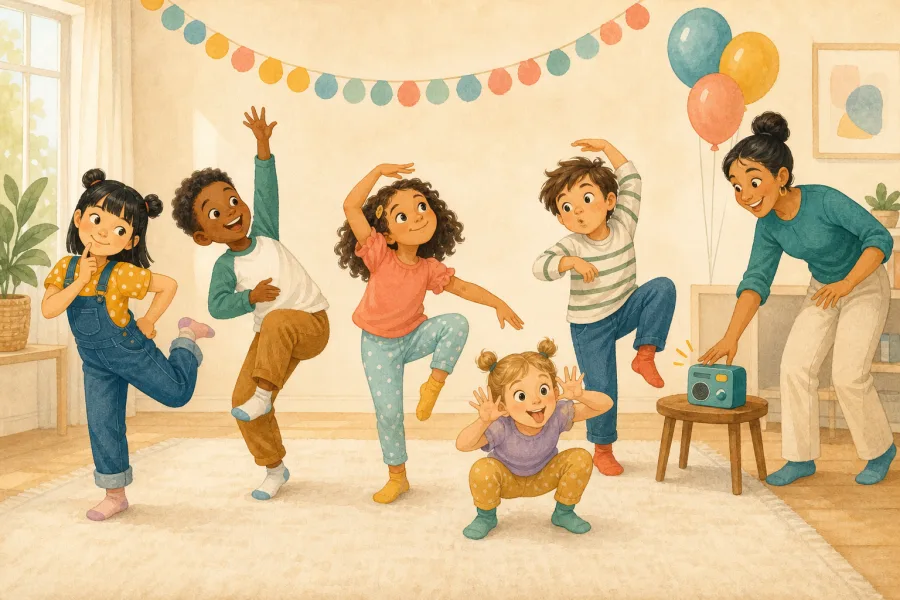
Dance like crazy, freeze like a statue — the classic party game that needs only a pause button.
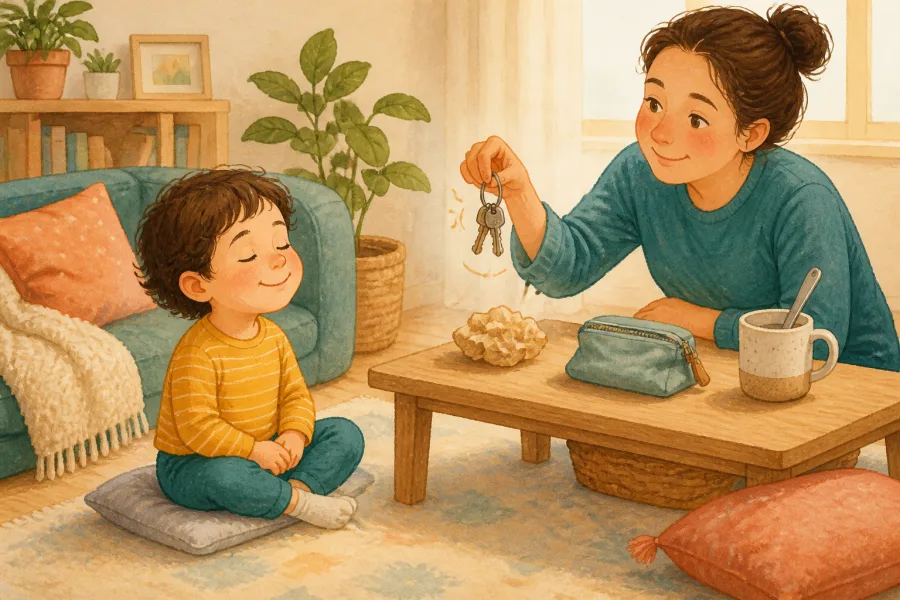
Close your eyes — was that keys, a zipper, or a spoon in a cup? Ears only.
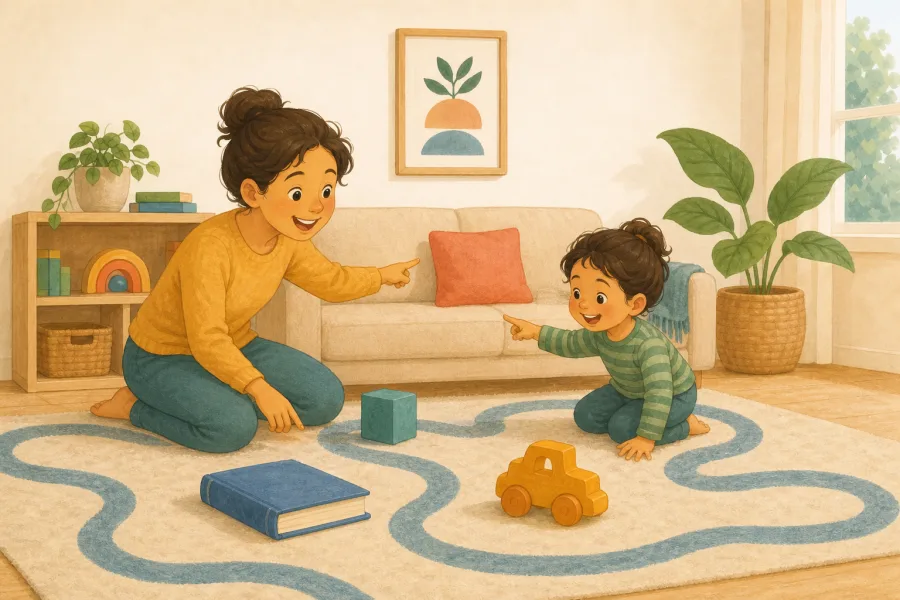
The classic guessing game tuned for little kids — spot things by color.
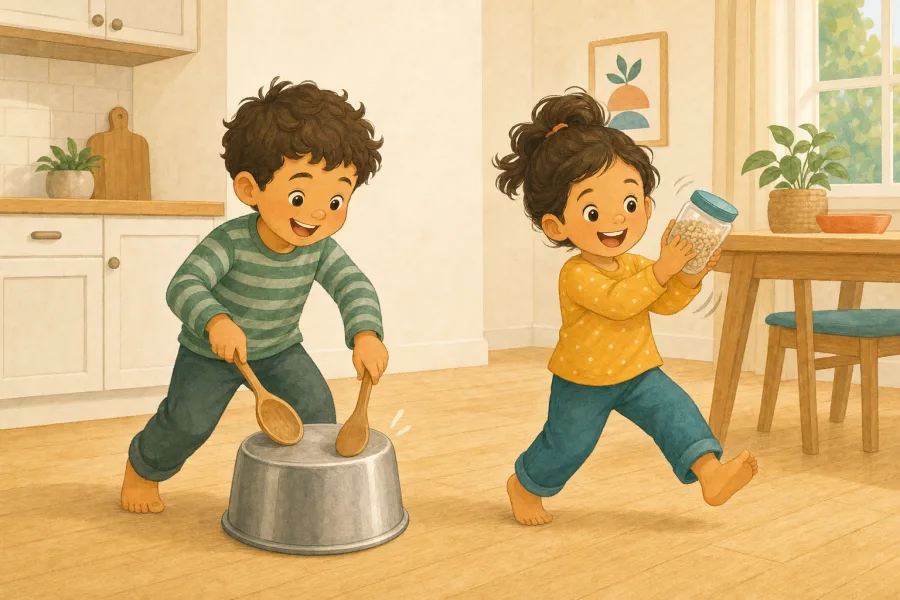
Pots become drums, spoons become drumsticks — march and make some noise.
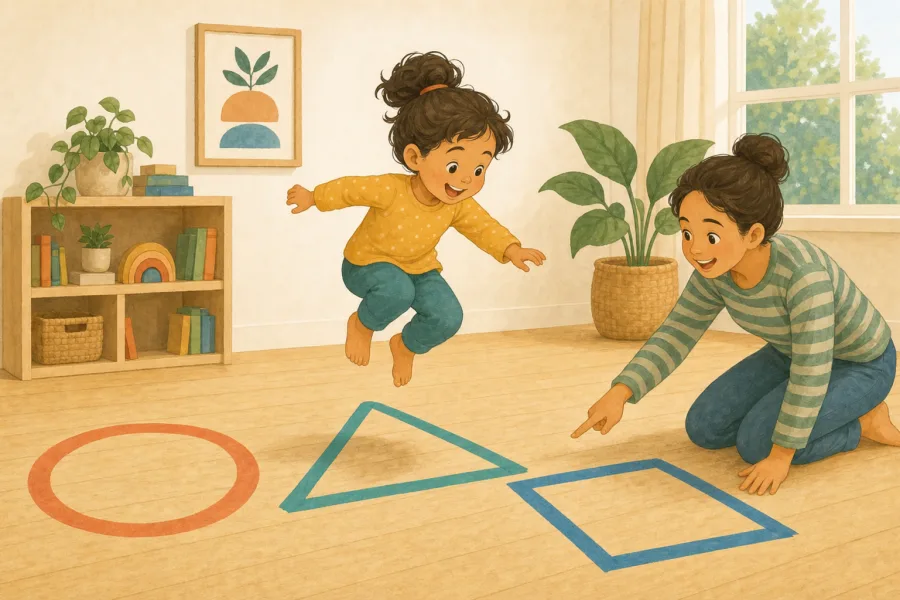
Tape big shapes on the floor and jump between them on command.
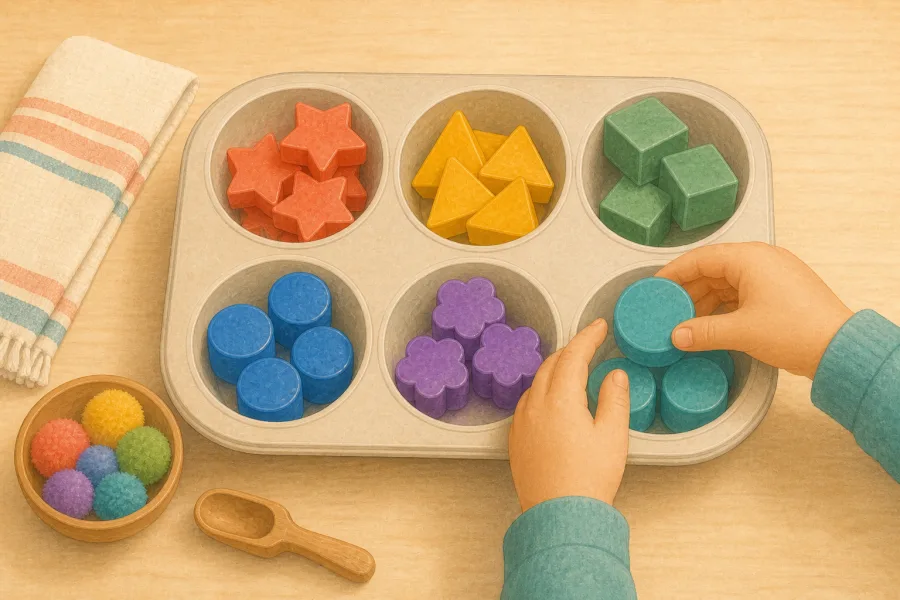
Sort blocks, pom-poms, or cereal into a muffin tin by color.
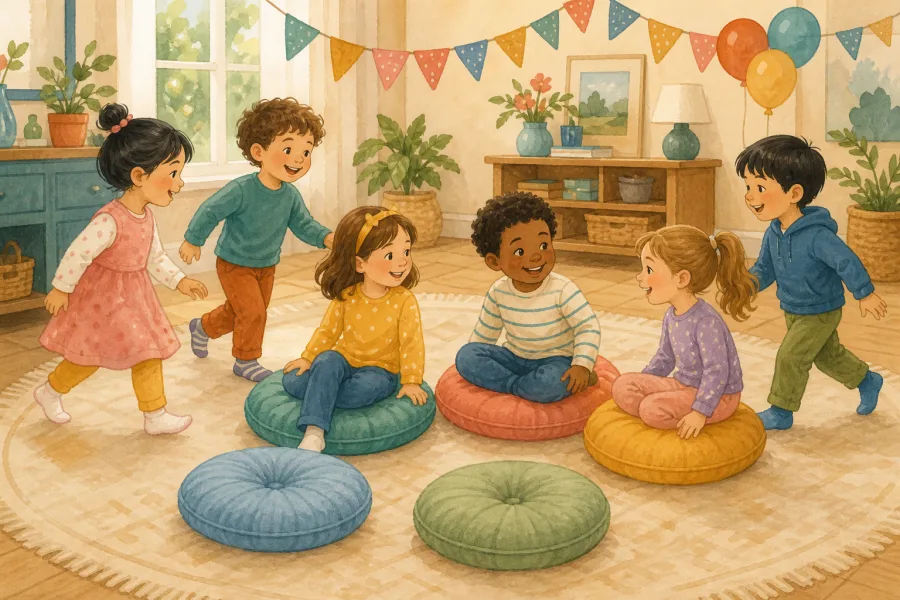
Musical chairs, rebuilt so nobody sits out crying: lose a cushion, share a cushion.
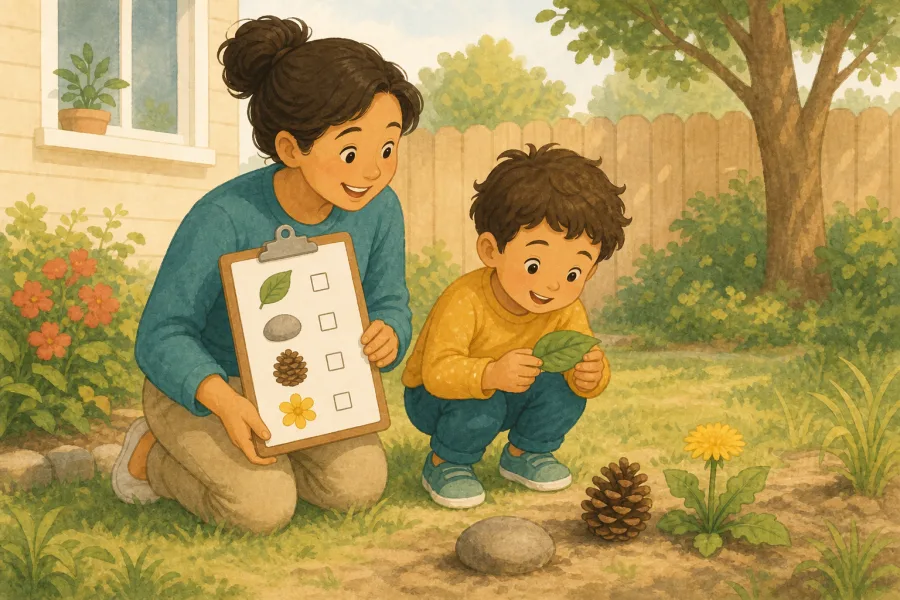
A checklist adventure: find something round, something rough, something that smells good.
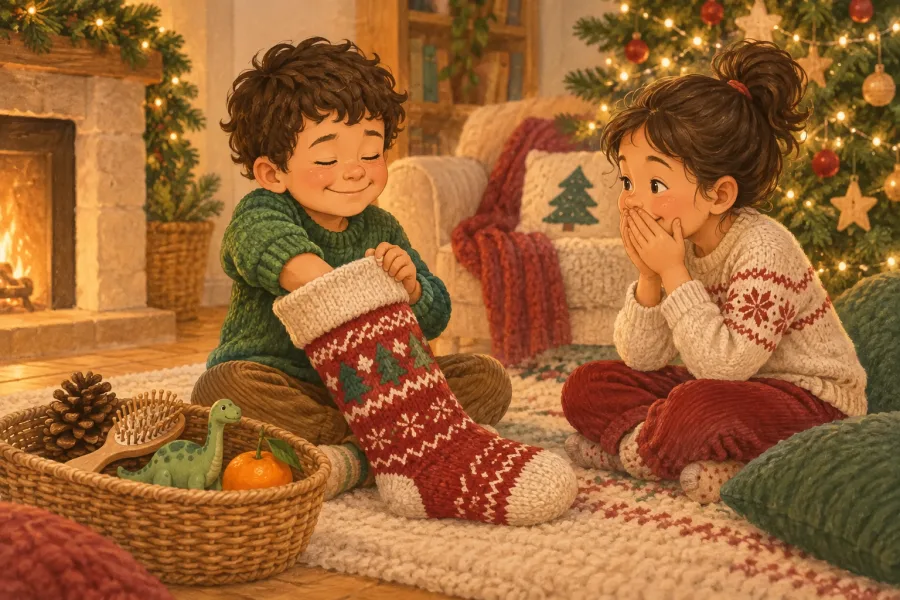
Reach into the stocking without peeking and describe what you feel before making a guess.
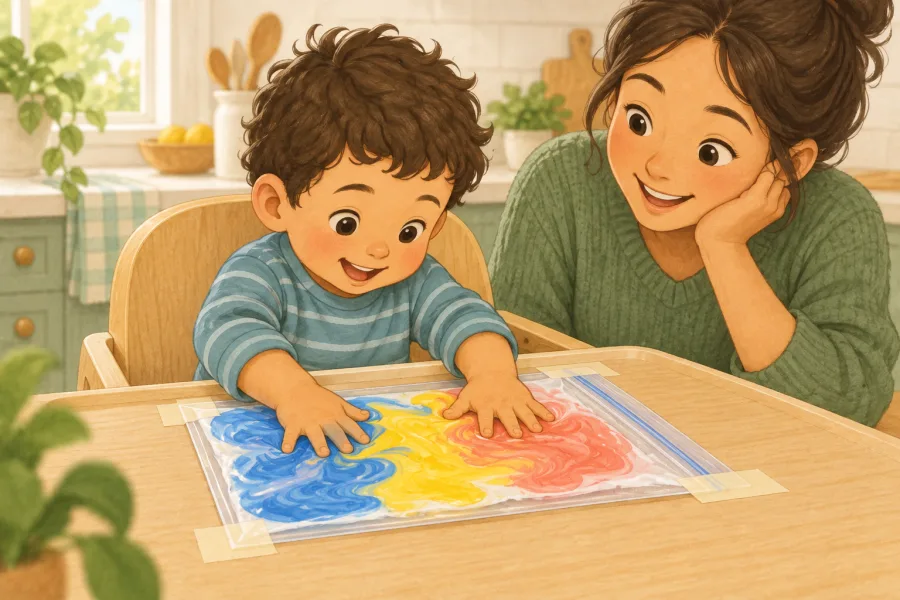
A sealed paint bag gives little hands color to press and mix, with the mess kept inside.
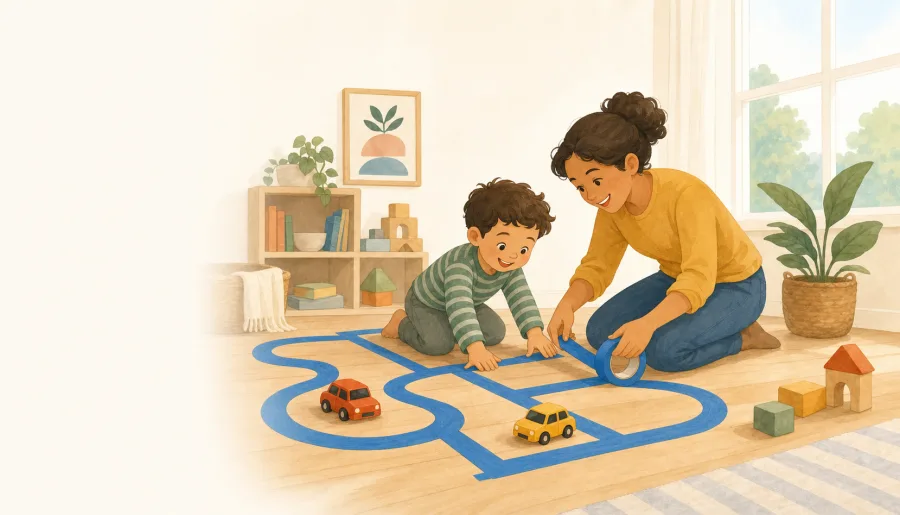
Build a winding road across the floor and go on a pretend adventure.
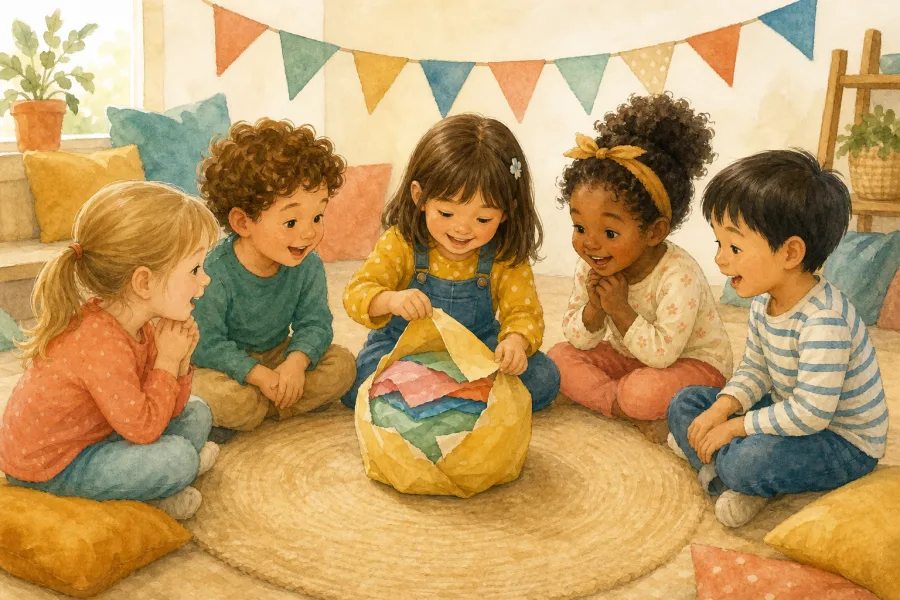
One gift, many layers of wrapping, and music that decides who unwraps next.
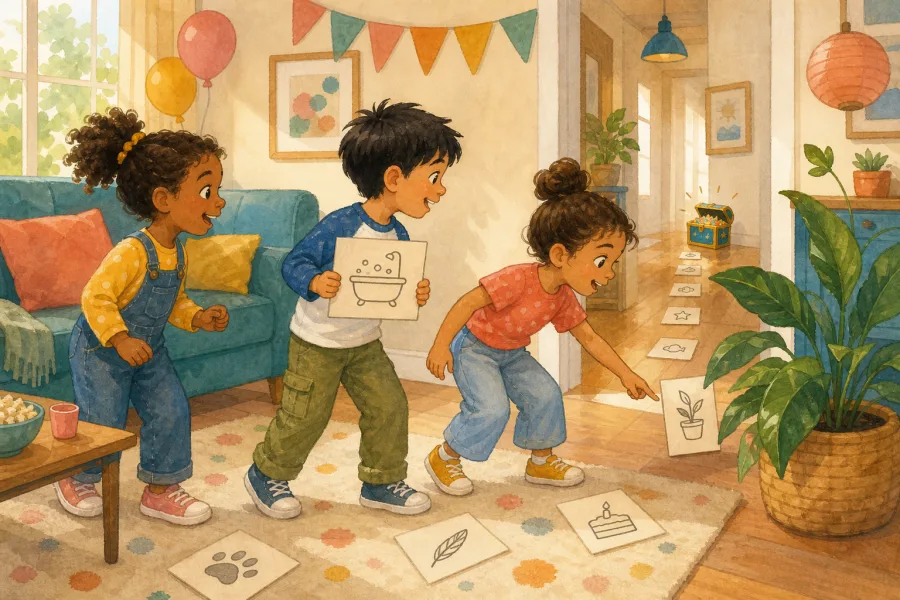
A trail of simple drawn clues leads from spot to spot — with real treasure at the end.
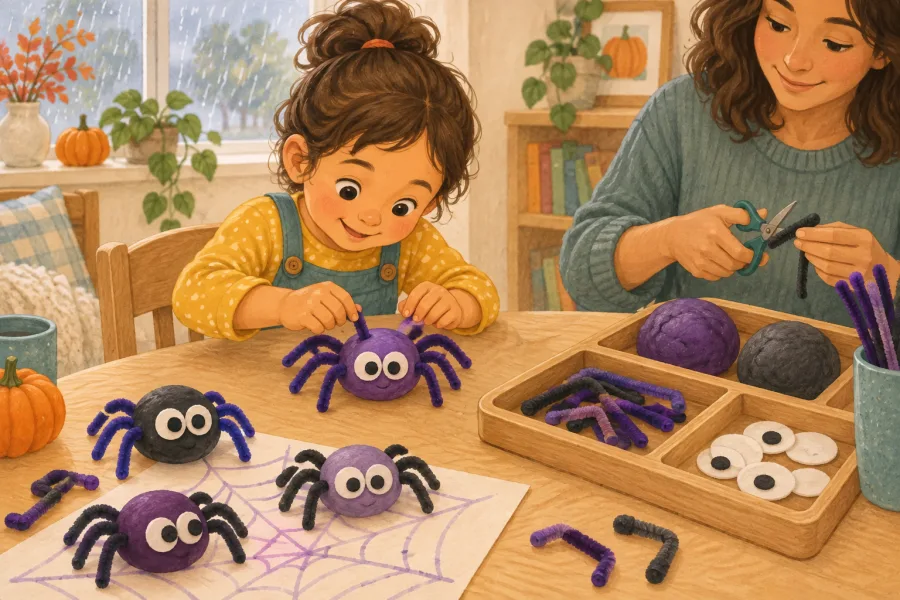
Roll a play-dough body, count eight soft legs, and build a spider ready for pretend play.
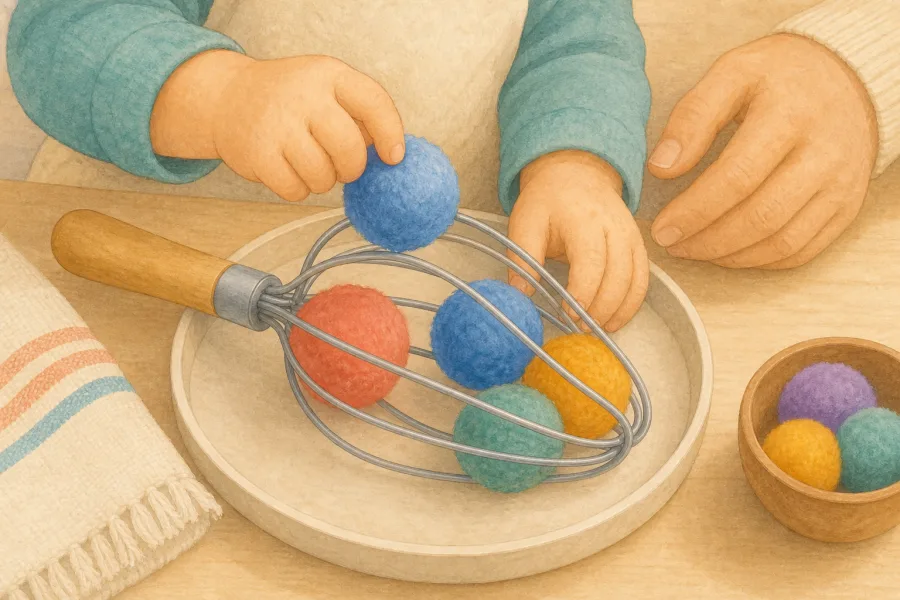
Stuff pom-poms into a whisk and let little fingers work them free.
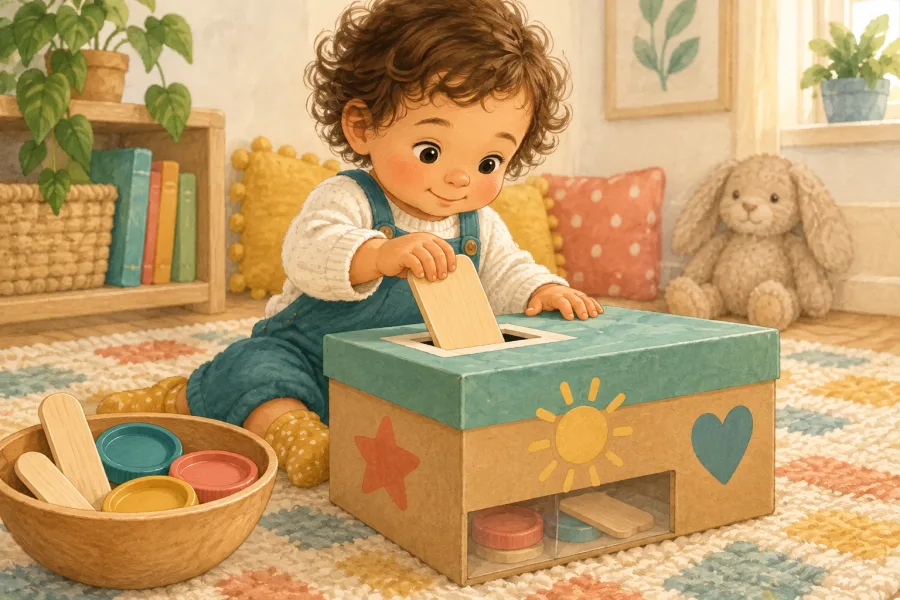
Cut a slot in a box and toddlers can post, listen for the drop, empty it, and begin again.
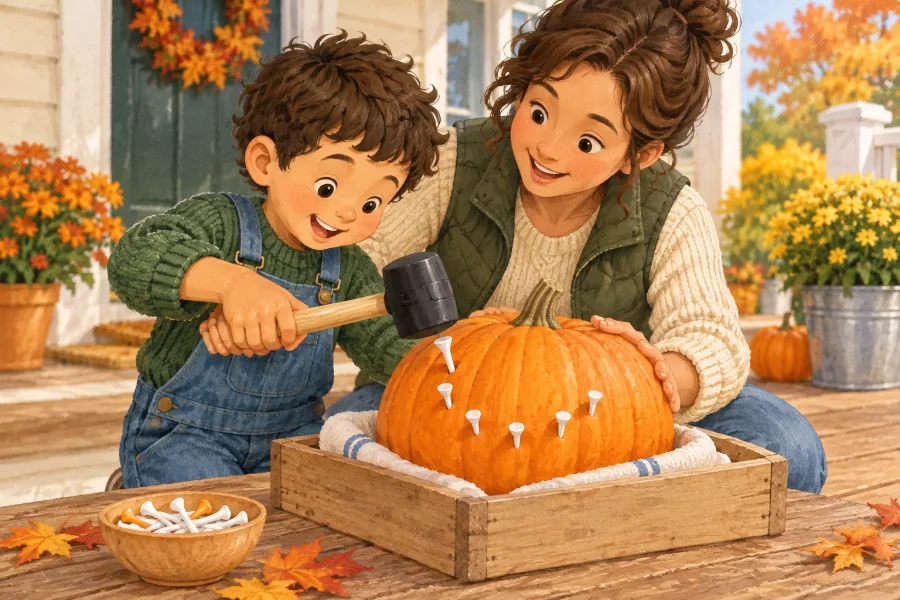
A real pumpkin, a kid-sized hammer, and golf tees: carving skills without the knife.
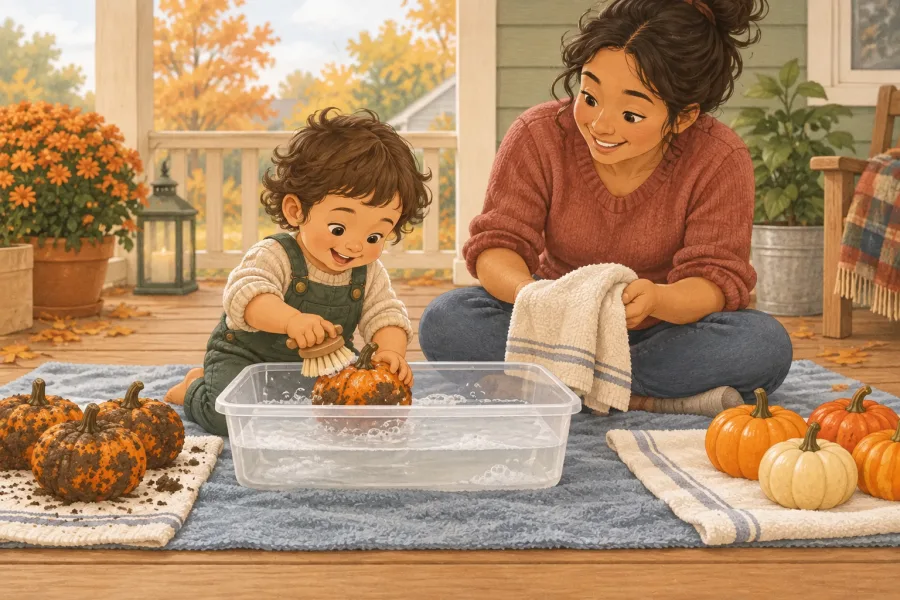
A tub of soapy water, a brush, and muddy pumpkins fresh from the patch: open for business.
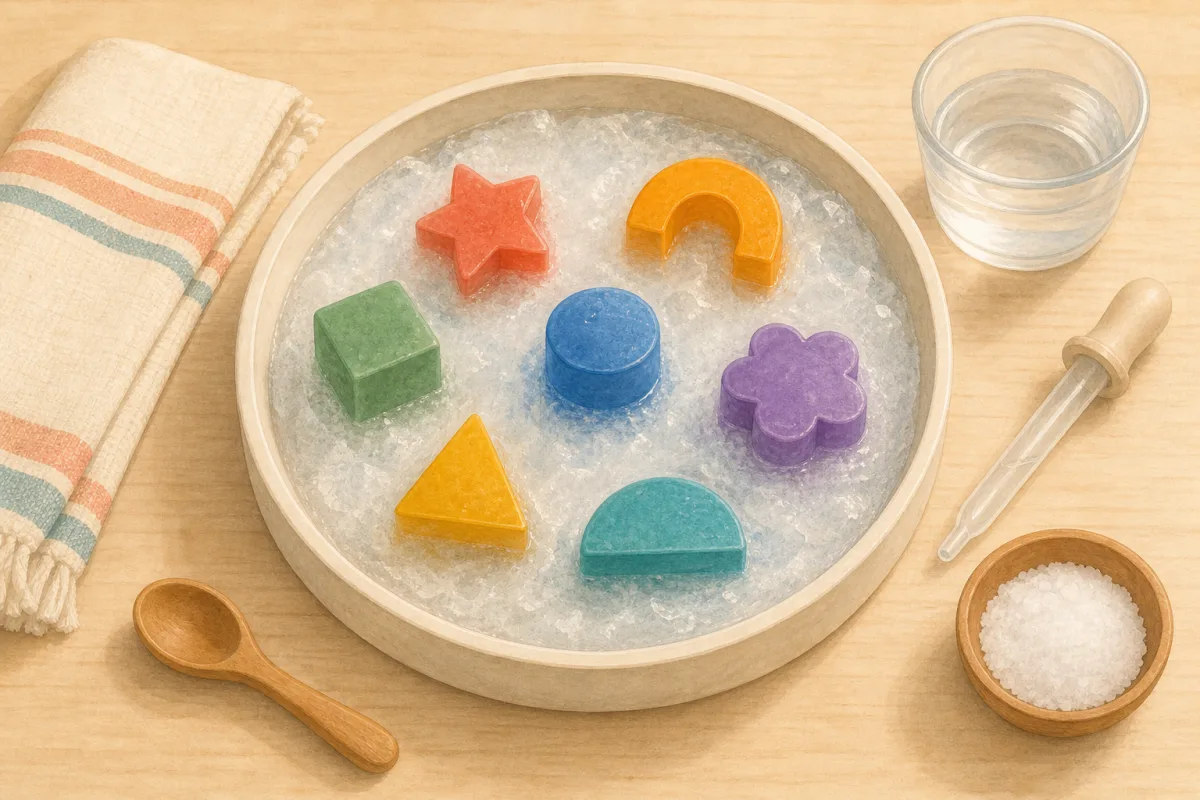
Free colorful toys from ice with warm water, salt, and tiny tools.
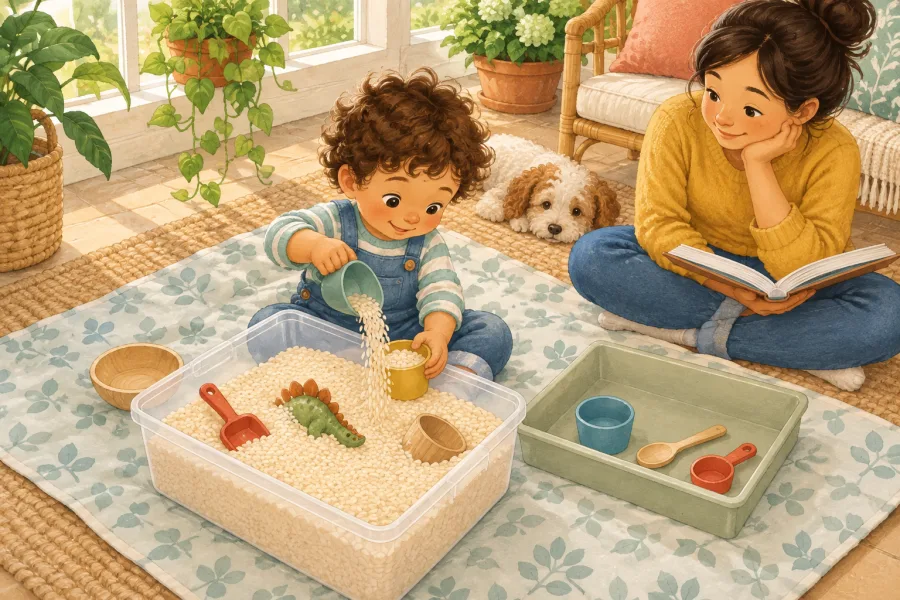
A tray of dry rice, a few scoops and hidden toys — the sandbox that lives in your kitchen.
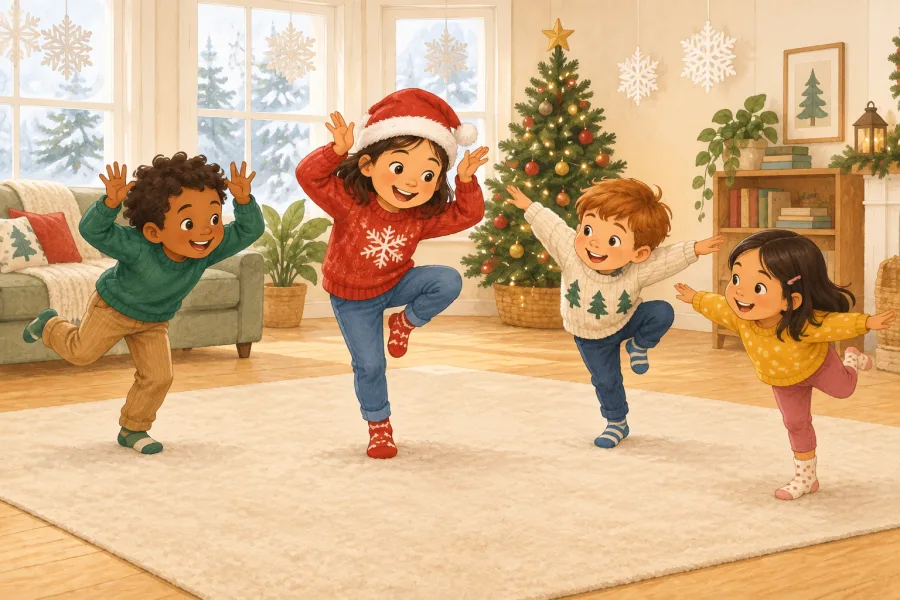
Give Simon Says a Christmas twist with reindeer hops, elf steps, and plenty of listening.
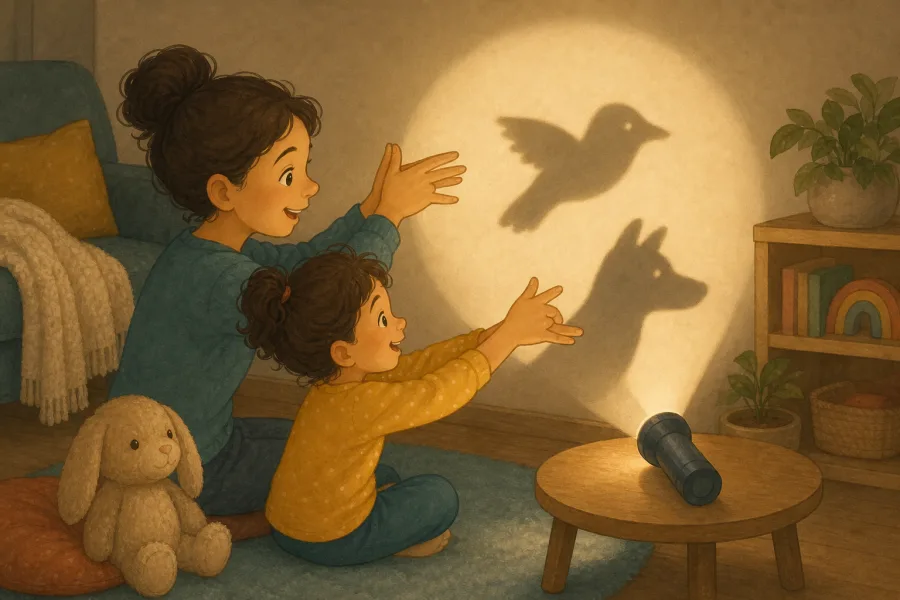
Turn a flashlight and a wall into a stage for barking dogs and flying birds.
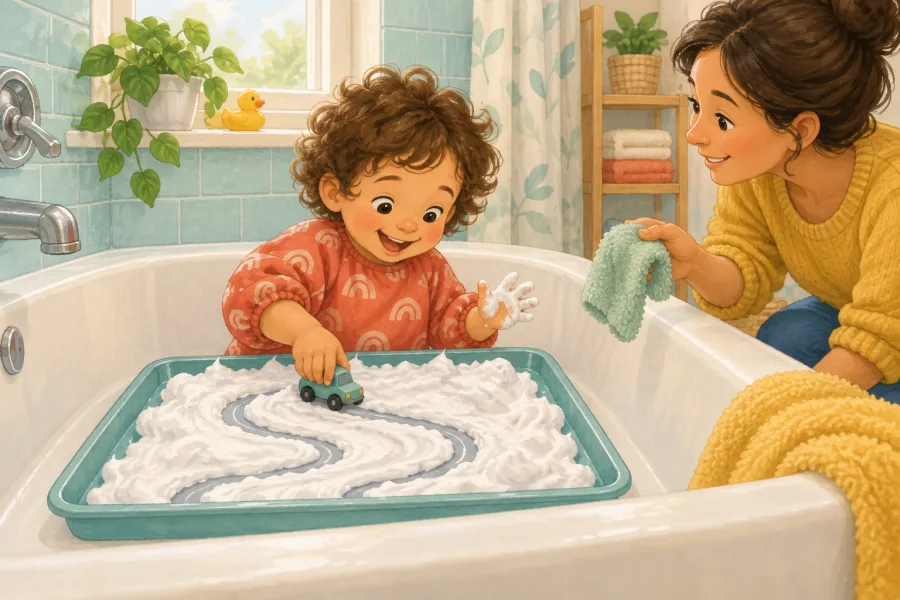
A mountain of foam on the high chair tray: the messiest-looking activity with the easiest cleanup.
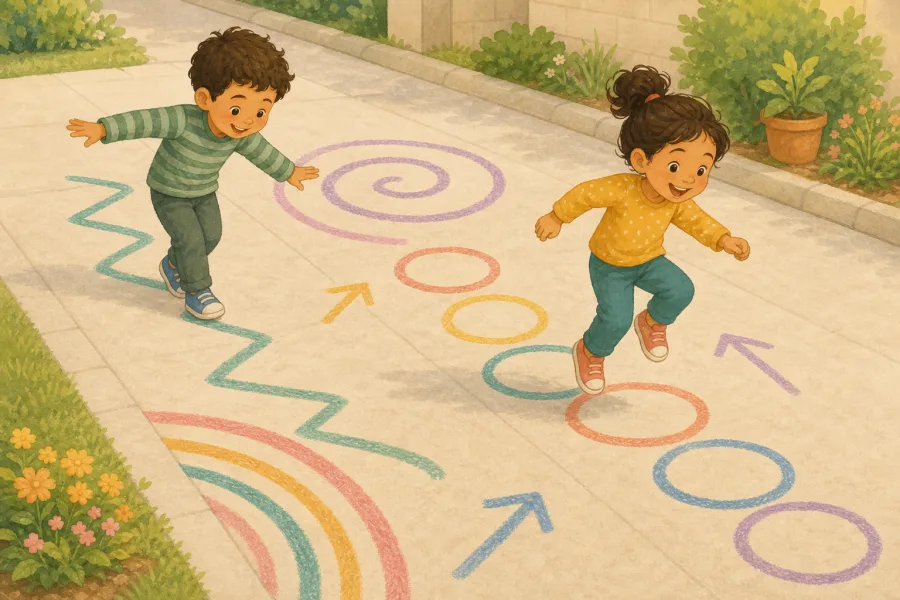
Draw a course of zigzags, spirals, and jumps — then run it again and again.
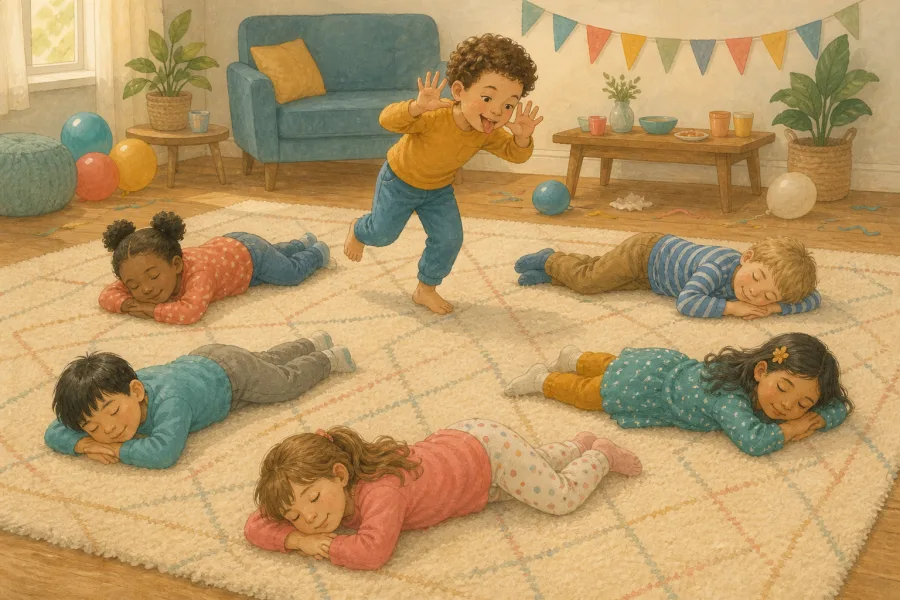
The only party game where lying perfectly still is the whole point. Parents love it for a reason.
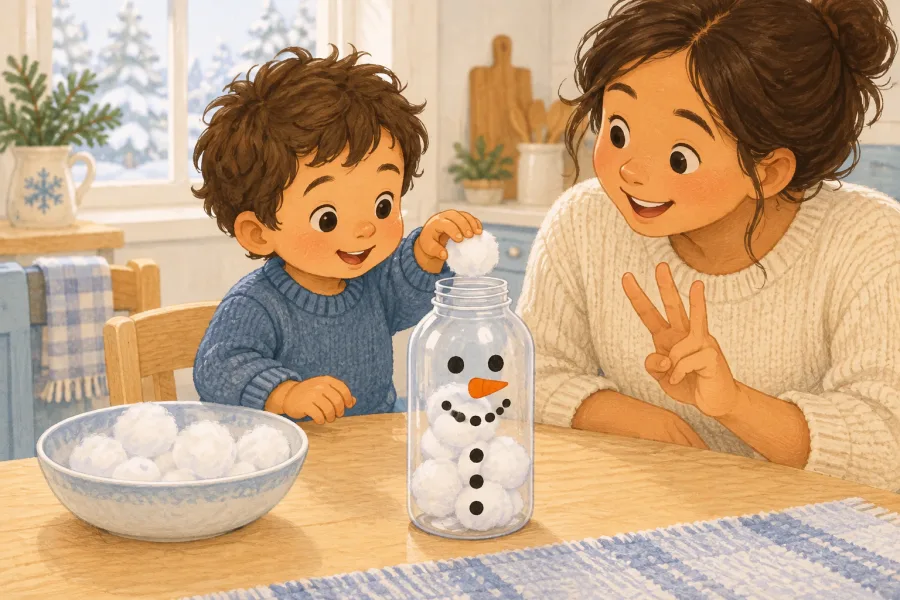
Draw a face on a bottle, hand over the cotton balls, and watch a snowman come to life one snowflake at a time.
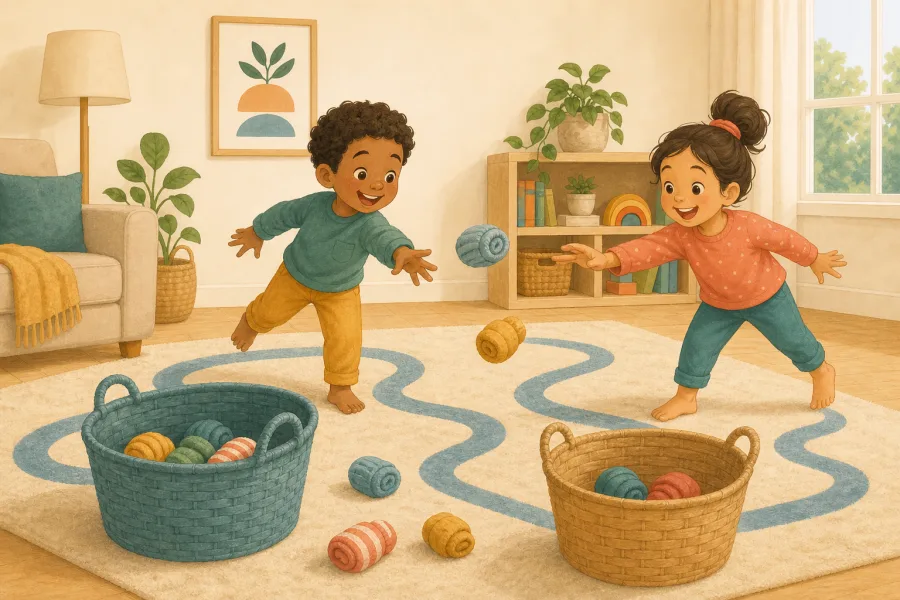
An indoor snowball fight with zero snow and zero mess — just rolled-up socks.
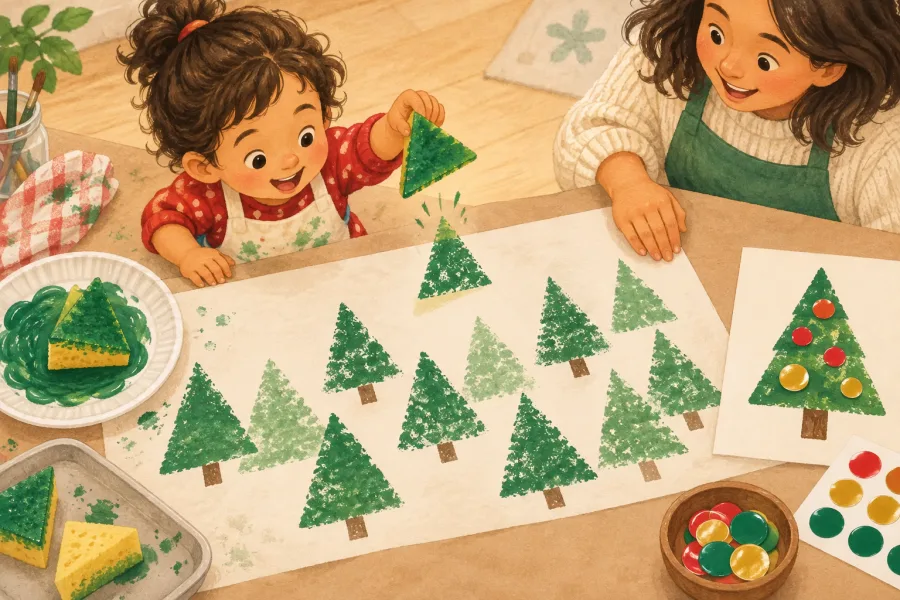
Stamp a forest of green sponge trees, let the paint dry, then add large sticker ornaments.
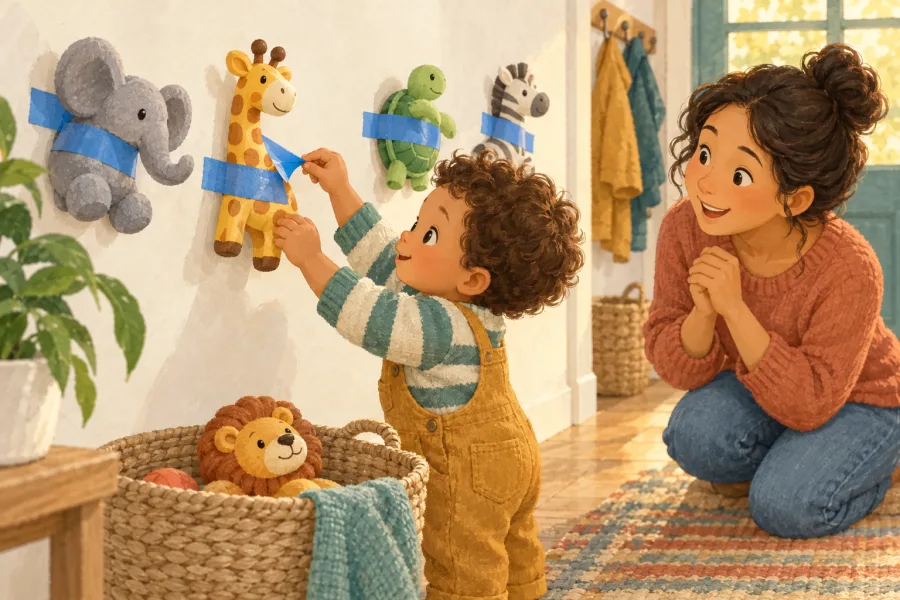
Tape their favorite toys to the wall and watch a tiny rescue mission unfold.
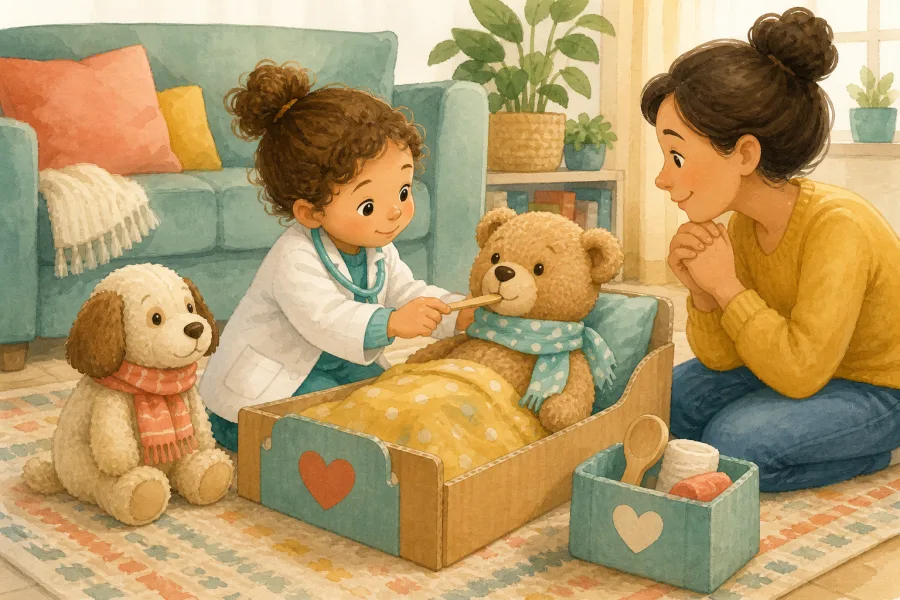
The stuffed animals are feeling poorly today — luckily, the doctor is in.
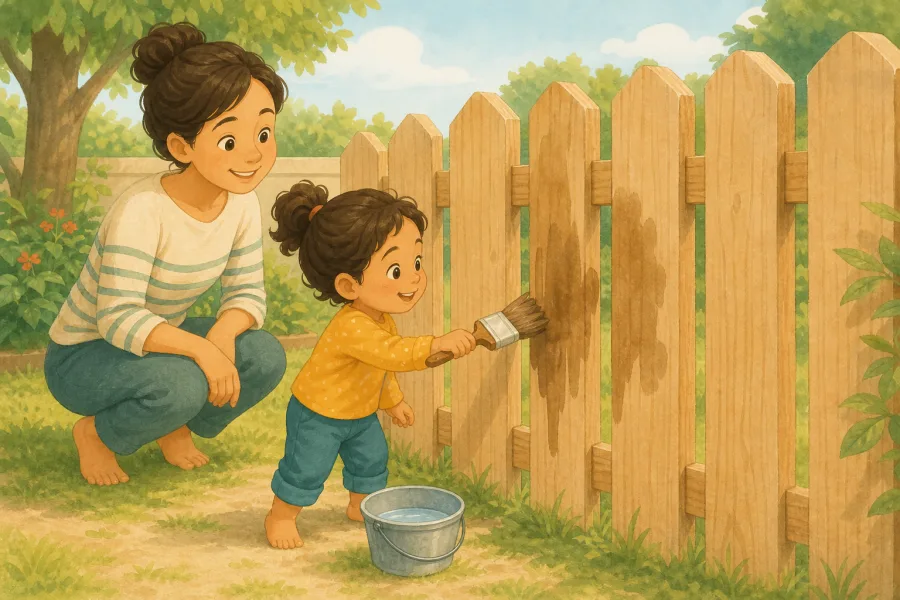
"Paint" the fence, the steps, and the sidewalk with plain water and a big brush.
Preschool momentum
Playing once together communicates more than a long explanation.
Caller, collector, builder, and helper roles give a three-year-old meaningful control.
Preserve safety boundaries, but allow the child to rename, reorder, or extend the game.
Helpful answers
Many can manage two related steps with a visual cue or demonstration. Reduce the sequence when the child is tired or excited.
They can include them, but conversation, movement, pretend play, sorting, and problem-solving are equally valuable foundations.