
An activity you can start today
Figurine Book Match
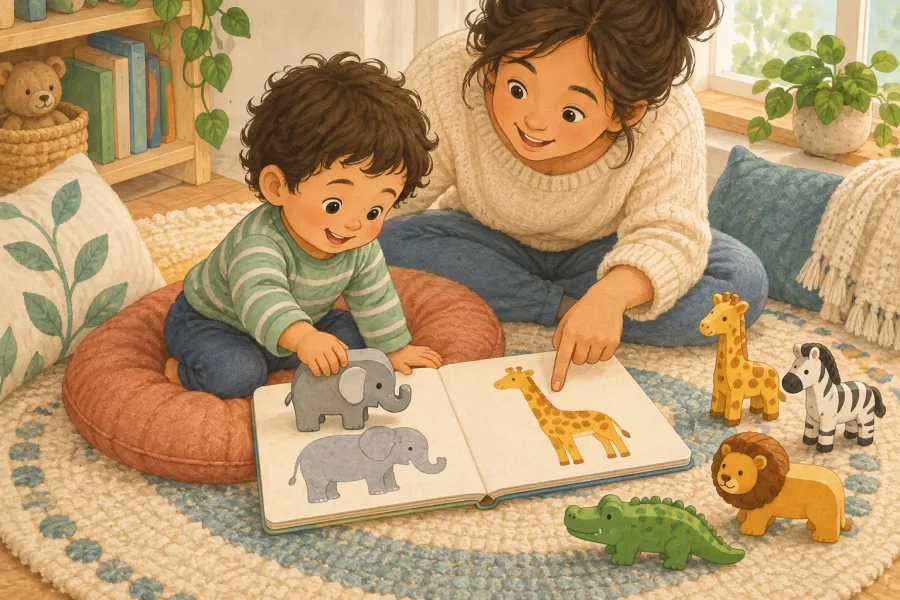
Toy animals meet their portraits: match the plastic elephant to the elephant on the page.
Know before you start
At a glance
- Setup
- 3 min
- Cleanup
- 1 min
- Mess
- low
- Energy
- calm
- Adult help
- nearby
Before you start
- Pick 3–5 matches to start — a full zoo at once overwhelms.
- Open the book flat on the floor or table with figurines in a bowl beside it.
- Choose pictures that clearly resemble the toys: realistic beats cartoon for first rounds.
Step by step
Let’s play
- Choose the matches. Pick 3–5 toy animals or objects that appear in one of your picture books.
- Set out the book. Lay it flat with the toys in a bowl beside it.
- Model one match. Walk the cow to the cow picture: “Cow… and COW! Same!”
- Hand over the zoo. One toy at a time, let them hunt the right page.
- Celebrate with sounds. Every match earns the animal’s sound performed together, then shuffle and rerun.
See it in action
Watch this activity
Video: “Fun & Easy Activities for 18-24 Months” by Pocketful of Parenting on YouTube — cued to the moment this activity is shown.
The child’s-eye view
Why kids love it
The puzzle uses toys the child already knows. They can walk the lion across the page, make its sound, and place it beside the matching picture instead of sitting through a formal matching exercise.
Built into the fun
What they’re learning
Matching a real object with its picture helps children understand that two very different-looking things can represent the same animal or object.
Deciding whether the toy matches the horse or the zebra on the page requires comparing features, not just recognizing.
Naming both the toy and the picture repeats the word in a clear, meaningful context.
Make it fit your child
Ways to change the game
Sound check
Each successful match earns the animal's sound, made together — moo, roar, hiss.
Memory hunt
Hide the figurines in easy-to-find places. The child finds one, carries it back, and looks for the matching page.
Category mats
For 3-year-olds, swap the book for drawn zones: farm, jungle, sea — sorting by habitat instead of one-to-one matching.
Real-life fixes
If it’s not going to plan
The child just wants to play with the figurines
Let the elephant walk to its page as part of a story instead of being placed. Matching disguised as pretend play works twice as long.
No matching figurines for your books
Reverse it with real objects: a spoon, a sock, a cup and a first-words book that pictures them. Or print photos of the child's own toys as the matching mat.
Good to know
Frequently asked questions
What age can children match objects to pictures?
Many toddlers become interested during the second year, but the timing varies. Start with one or two obvious matches and add less similar pictures when the first round feels easy.
Why does 2D to 3D matching matter?
It helps a child connect a real object, a picture, and a spoken word. That makes this a useful early language and sorting activity without turning book time into a test.
Kidtivity Lab activity guide · Last updated
Try next
Mystery Stocking
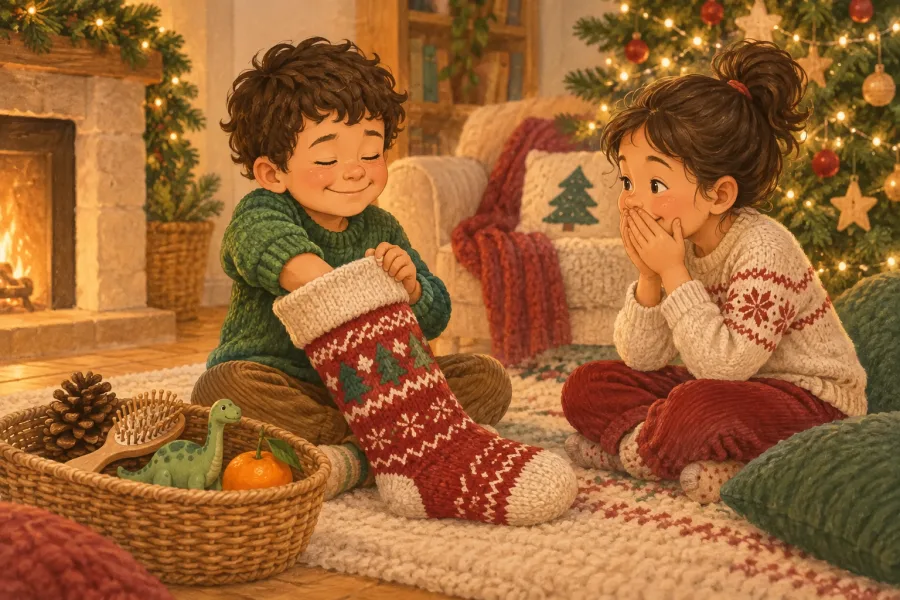
Reach into the stocking without peeking and describe what you feel before making a guess.
Blanket Fort Reading Den
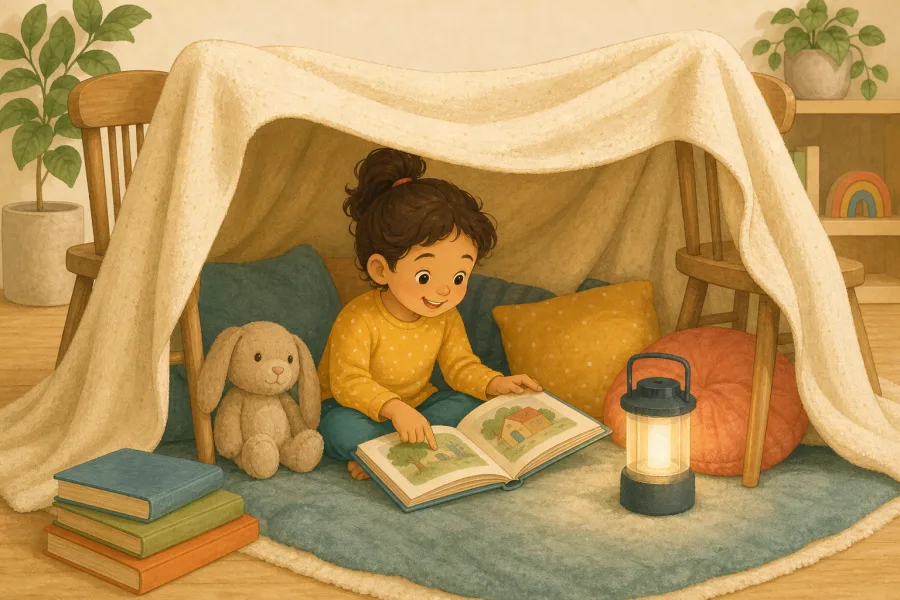
Build a cozy den from blankets, then hide inside with books and a flashlight.
Bottle Cap Twist Station
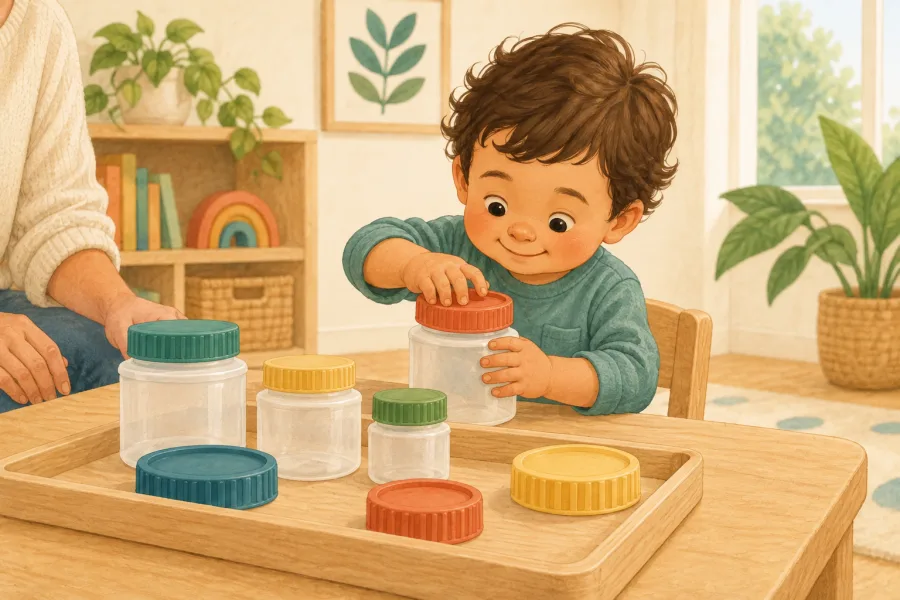
A tray of jars and bottles with caps to twist off and on — real work for small serious hands.