
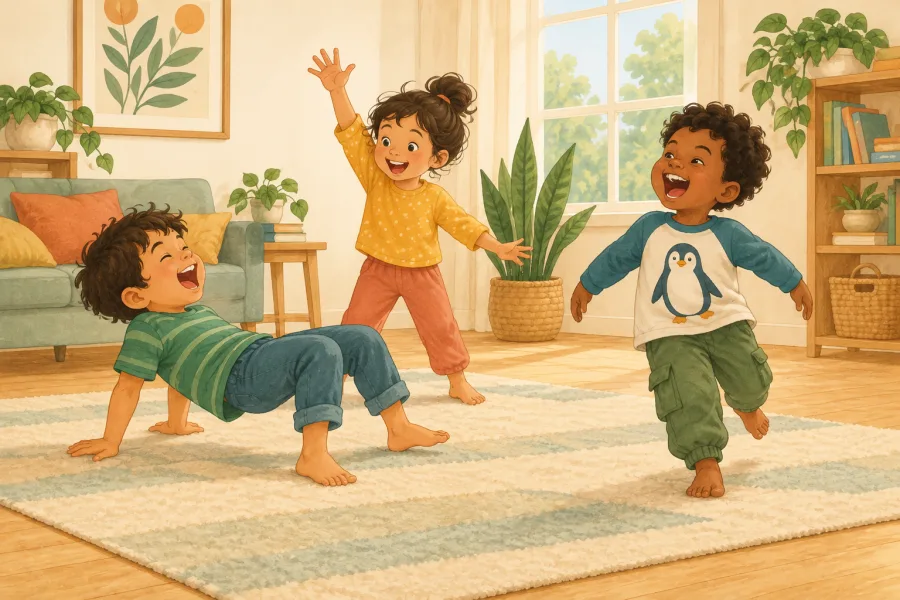
Animal Mashup
Walk like a crab, roar like a lion — at the same time. Instant giggles, zero supplies.
Ages 4–10 ⏱ 10 min Nothing needed
Learning through play happens when children have something real to notice, compare, explain, test, or remember—not when a playful surface hides a worksheet.
Browse the collection
Walk like a crab, roar like a lion — at the same time. Instant giggles, zero supplies.
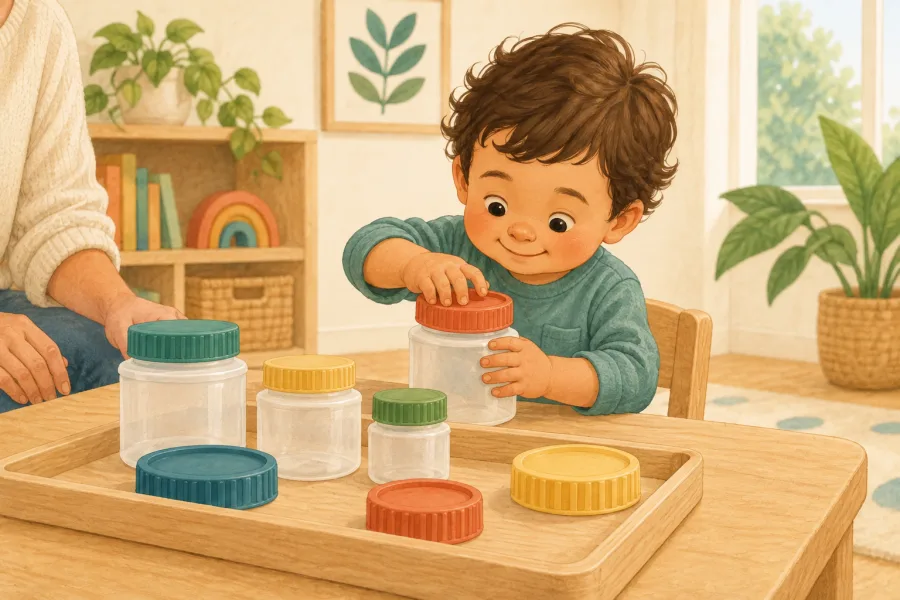
A tray of jars and bottles with caps to twist off and on — real work for small serious hands.
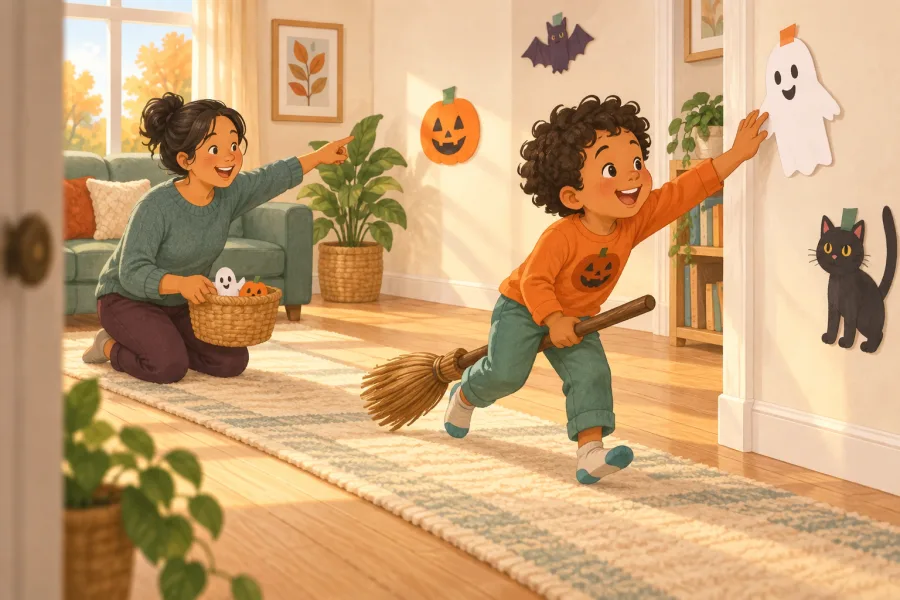
Climb onto a broom and collect the friendly Halloween characters hidden around the room.
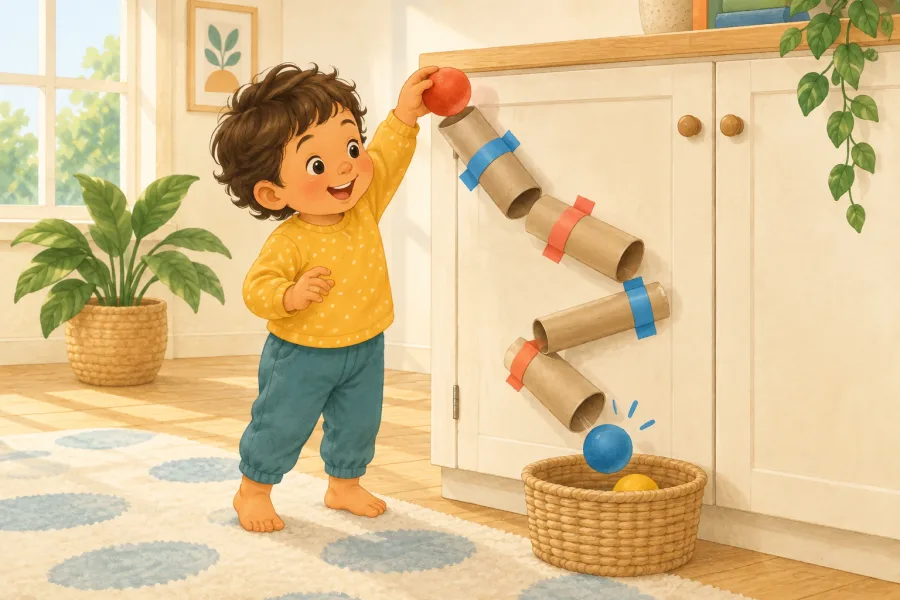
Tape paper towel tubes to the wall, hand over a cup of pom-poms, and watch gravity do the entertaining.
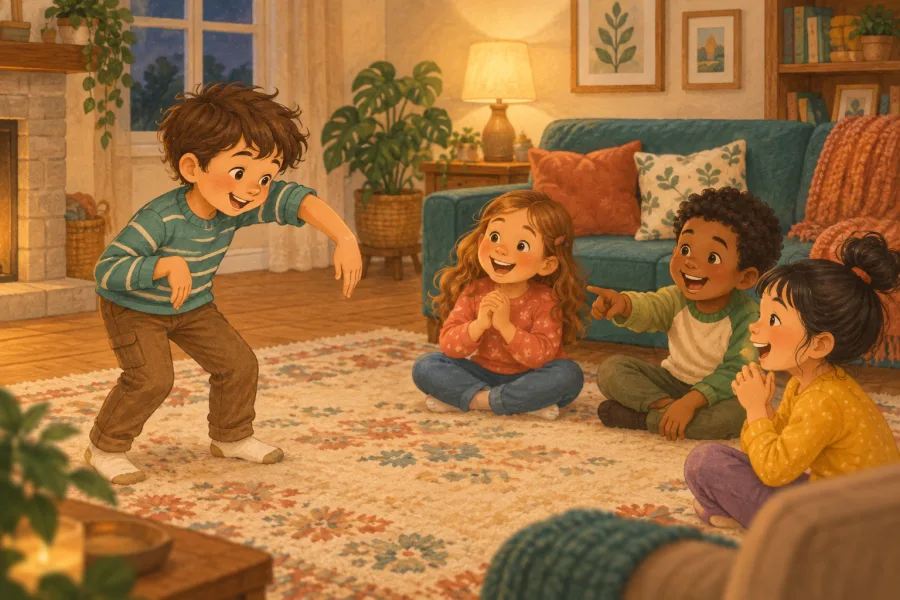
Act it out, no words allowed — the classic guessing game sized down for kid-sized actors.
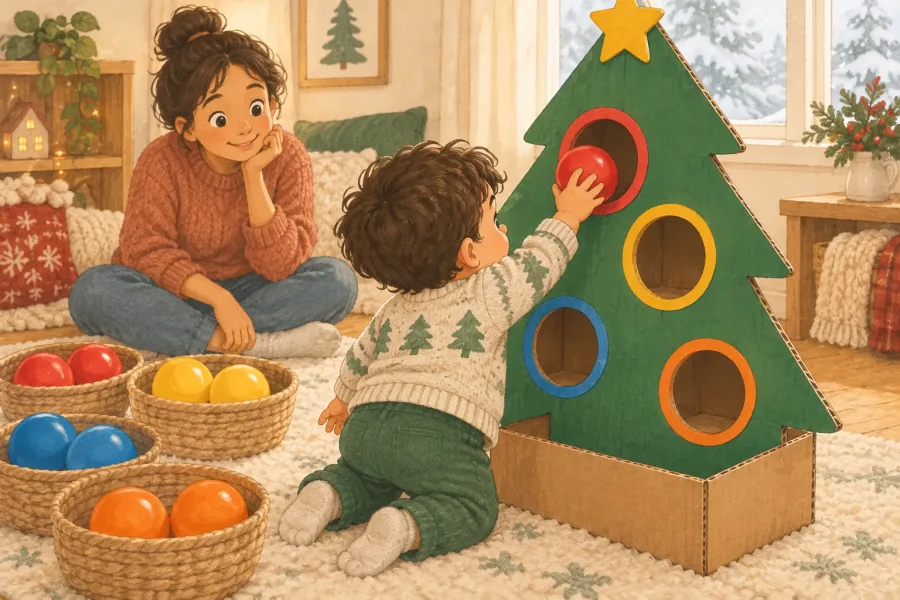
Post large colored balls through matching holes in a sturdy cardboard Christmas tree.
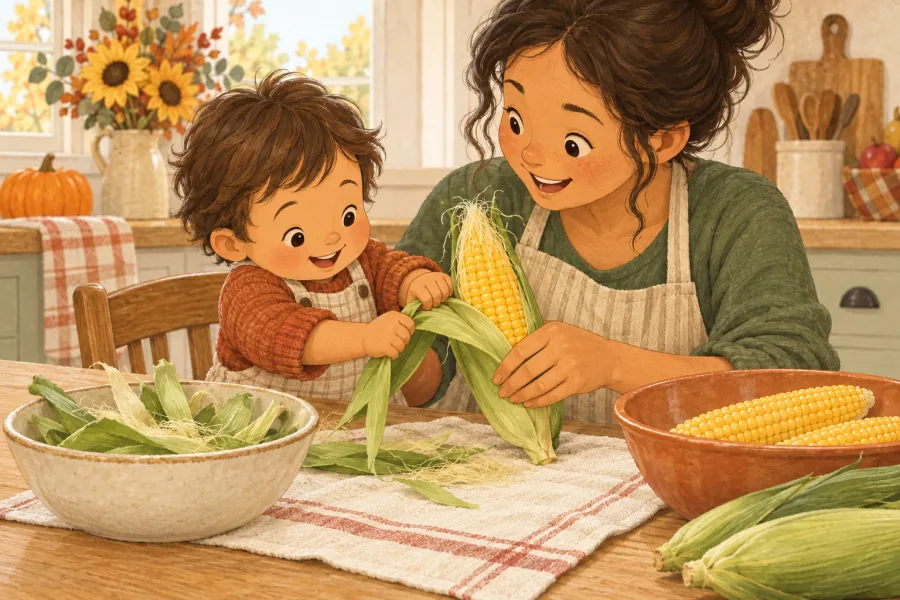
Hand over a whole ear of corn and let those little hands rip, peel and discover dinner.
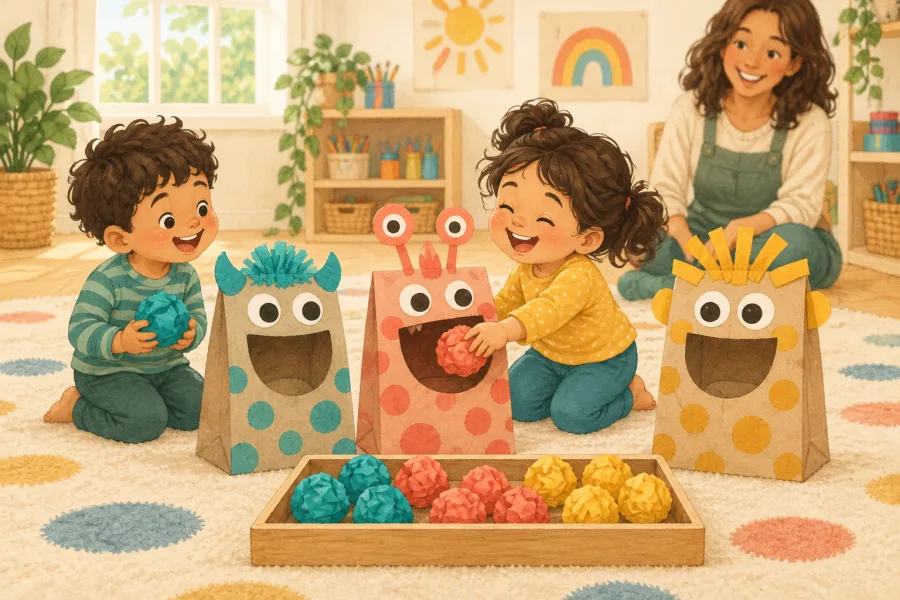
Make friendly paper-bag monsters, then feed each one a large paper ball in its matching color.
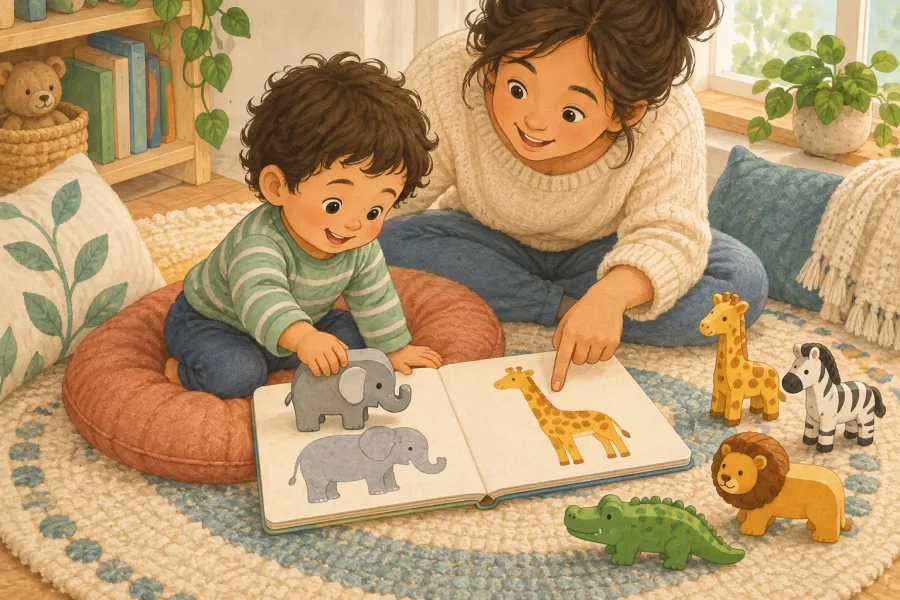
Toy animals meet their portraits: match the plastic elephant to the elephant on the page.
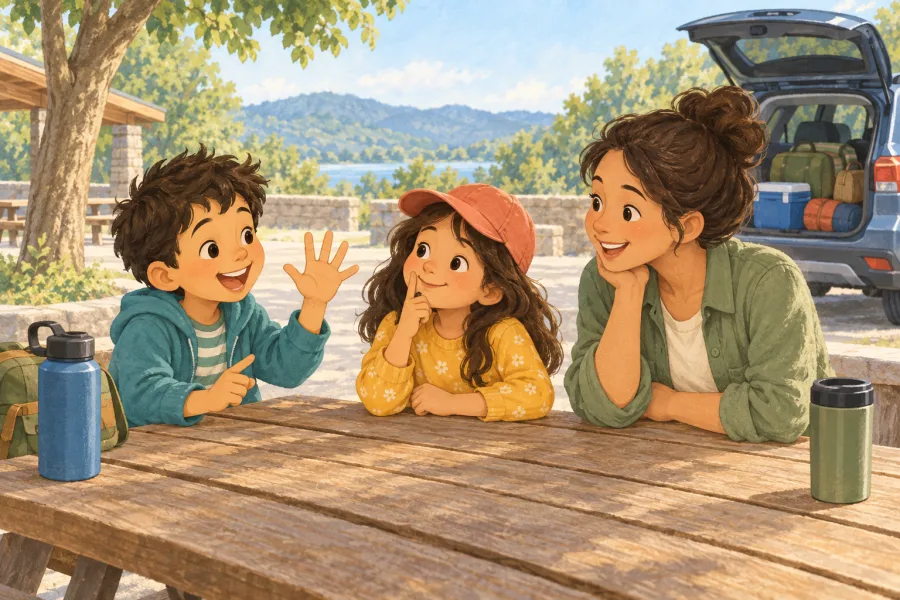
Name five animals, five red things, five things with wheels — the fastest game that fits any back seat.
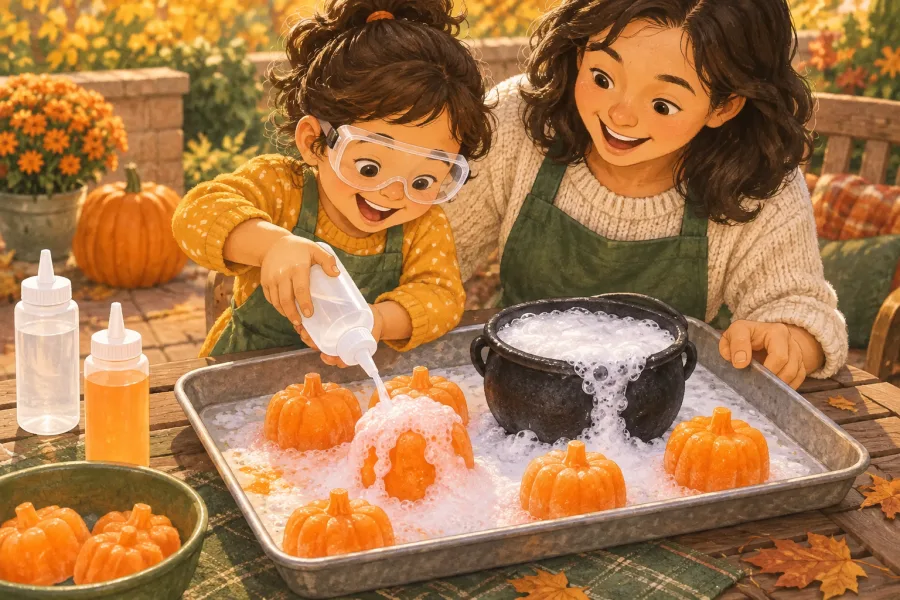
Drip vinegar onto frozen baking-soda pumpkins and watch the foamy reaction unfold.
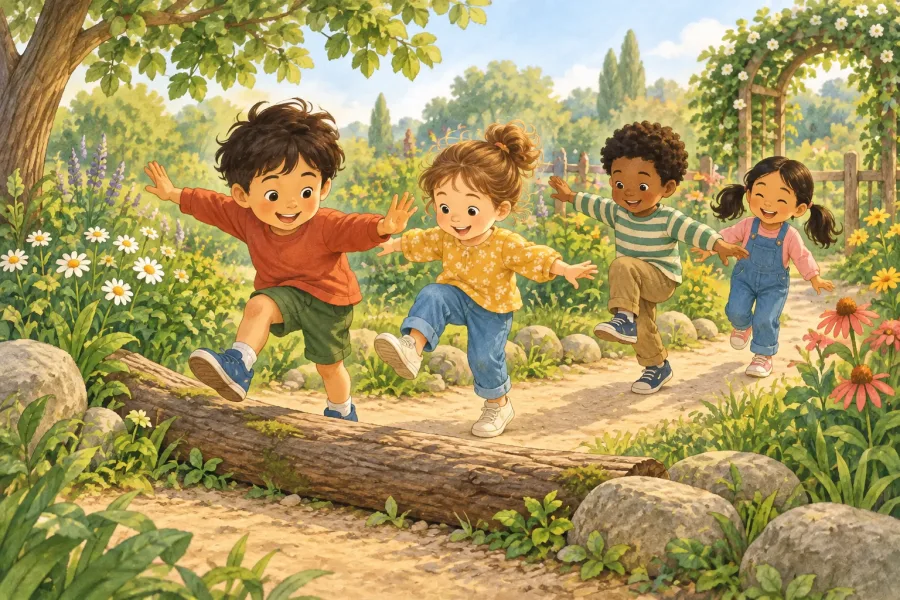
March, hop, wiggle — one child chooses the movement and everyone else tries to keep up.
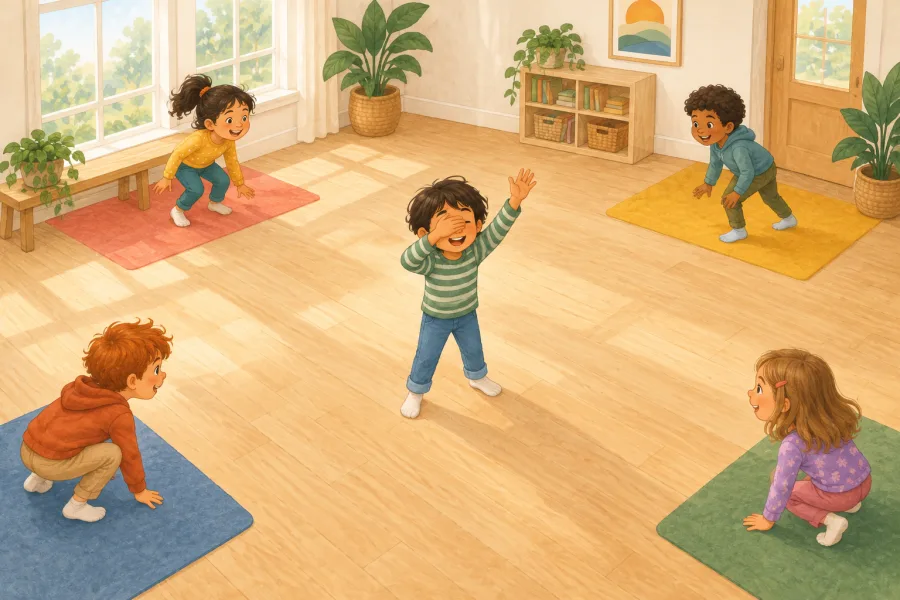
Four corners, one caller, quick feet: the classroom classic that turns any room into a game board.
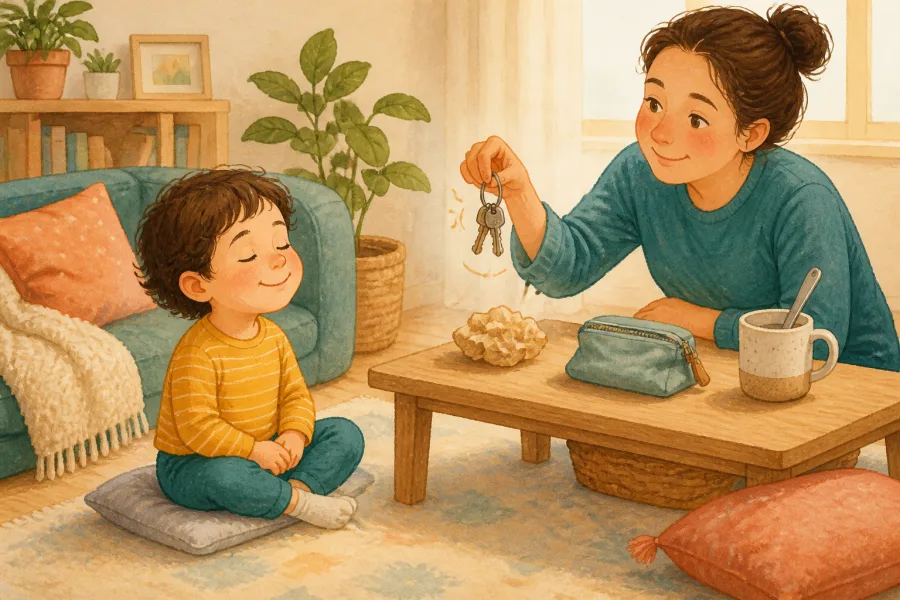
Close your eyes — was that keys, a zipper, or a spoon in a cup? Ears only.
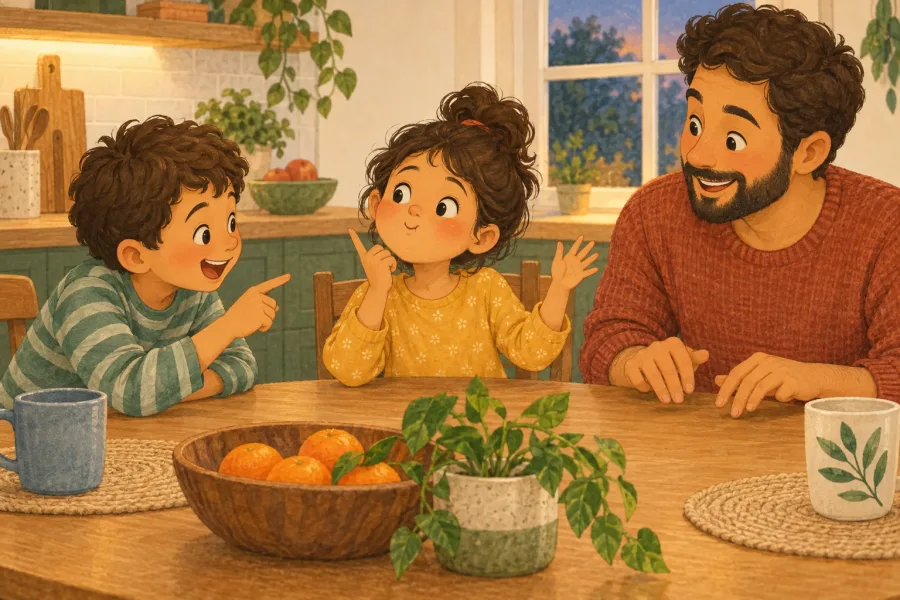
Hum a song, no words allowed — first one to name it takes the next hum.
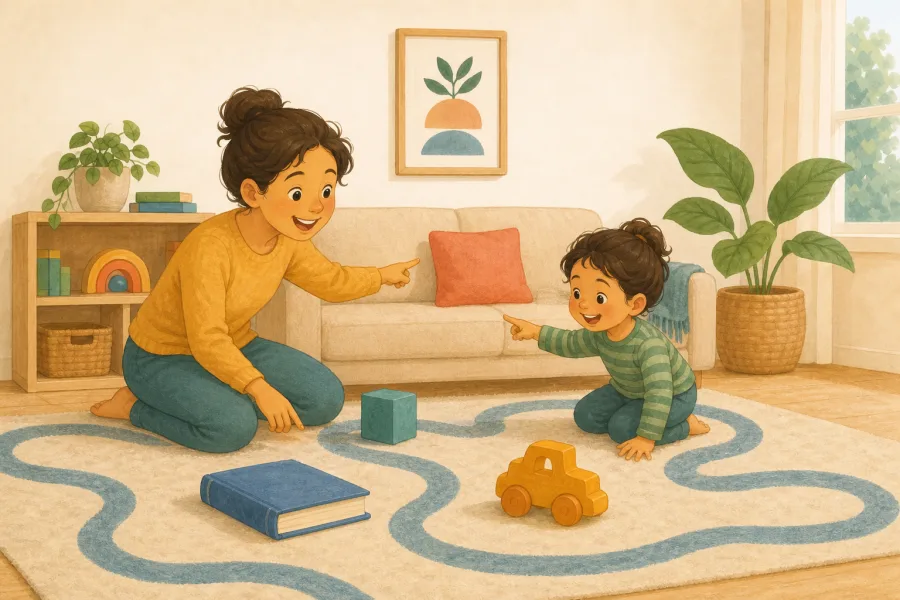
The classic guessing game tuned for little kids — spot things by color.
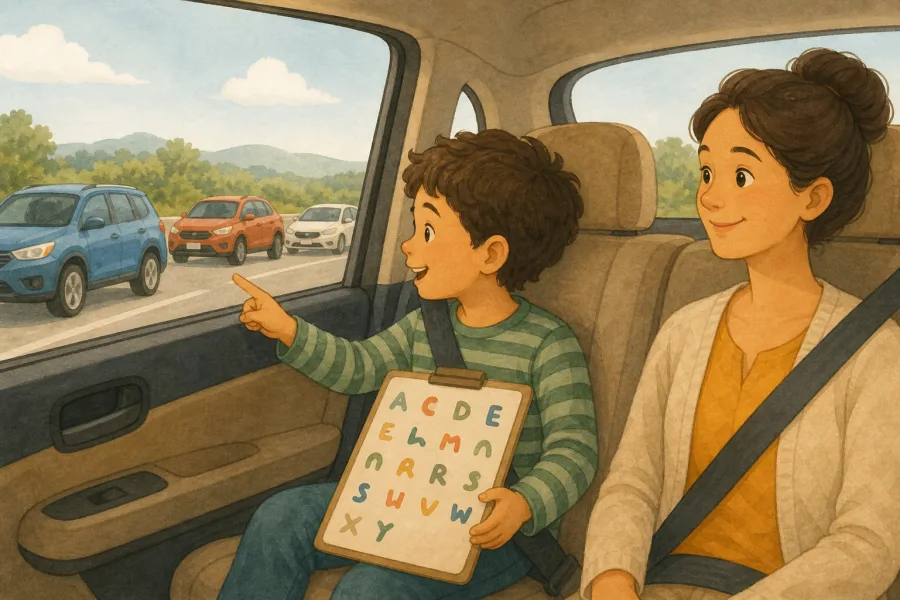
Find every letter A to Z on passing license plates before the trip ends.
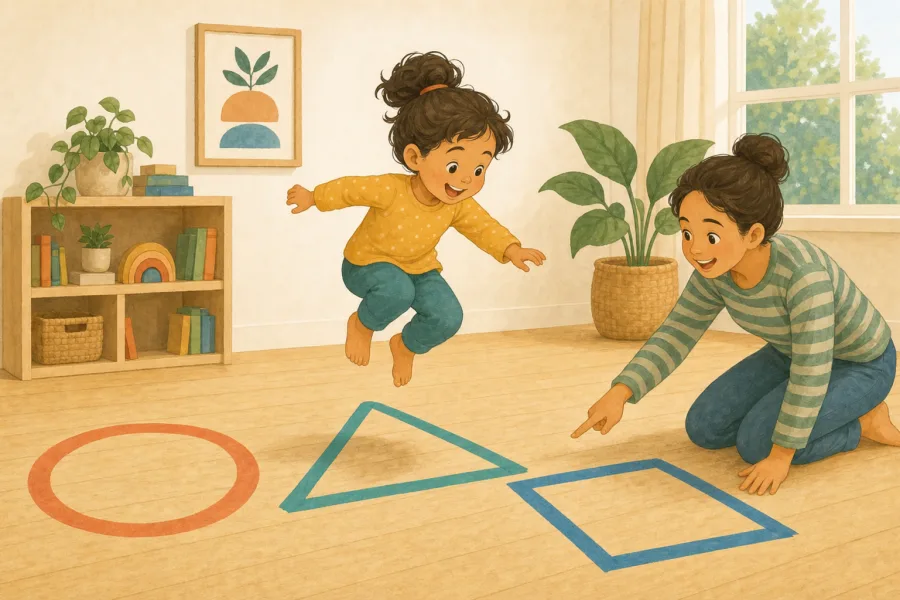
Tape big shapes on the floor and jump between them on command.
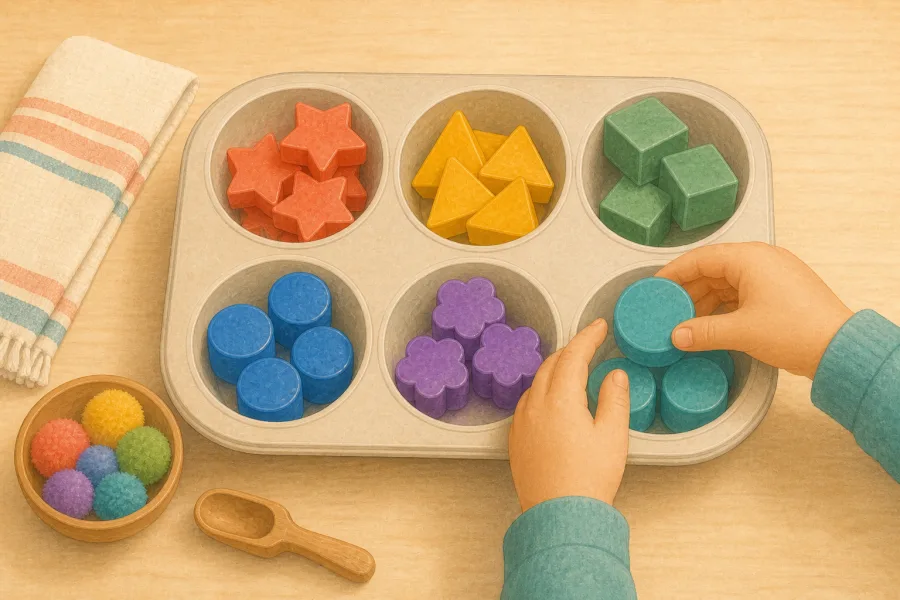
Sort blocks, pom-poms, or cereal into a muffin tin by color.
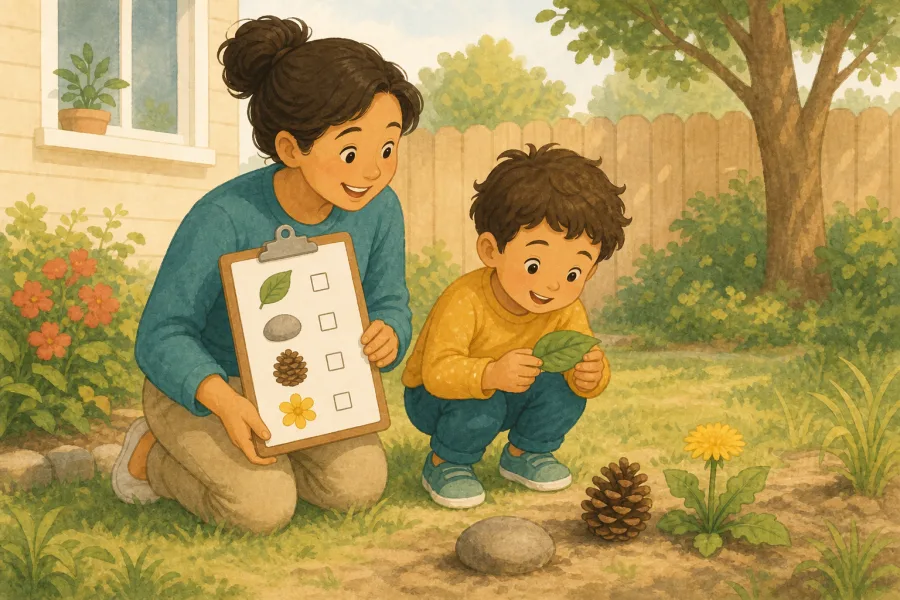
A checklist adventure: find something round, something rough, something that smells good.
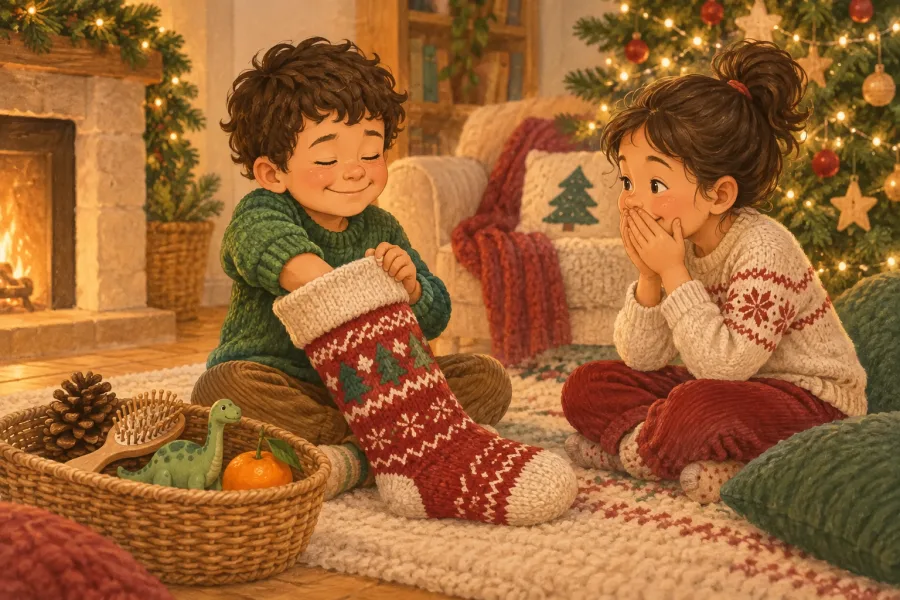
Reach into the stocking without peeking and describe what you feel before making a guess.
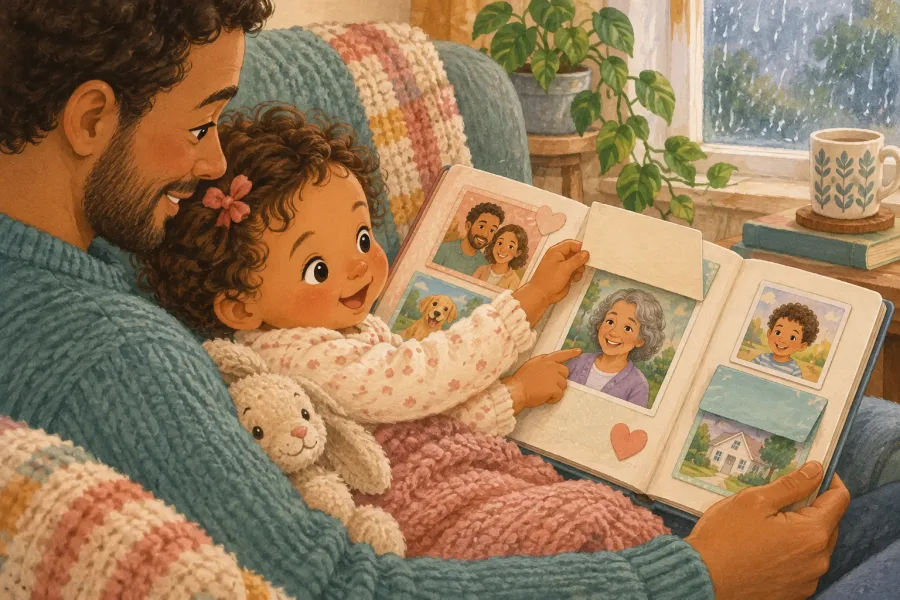
A homemade book of familiar faces hidden under sticky-note flaps — peekaboo meets first words.
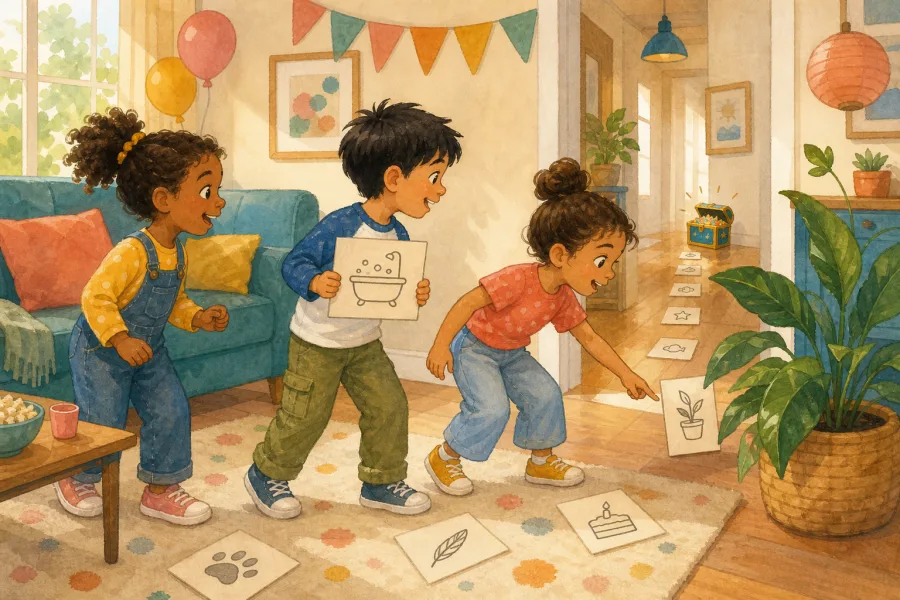
A trail of simple drawn clues leads from spot to spot — with real treasure at the end.
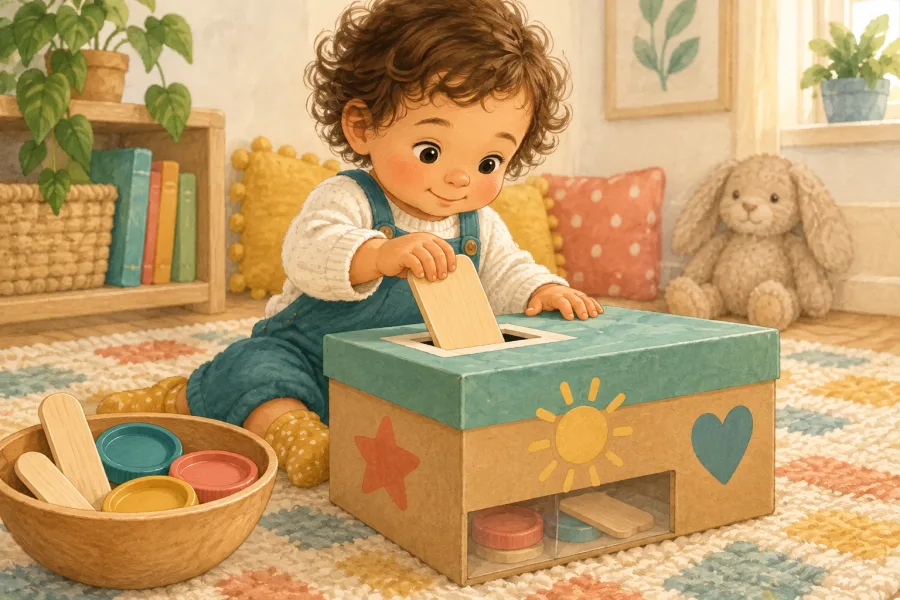
Cut a slot in a box and toddlers can post, listen for the drop, empty it, and begin again.
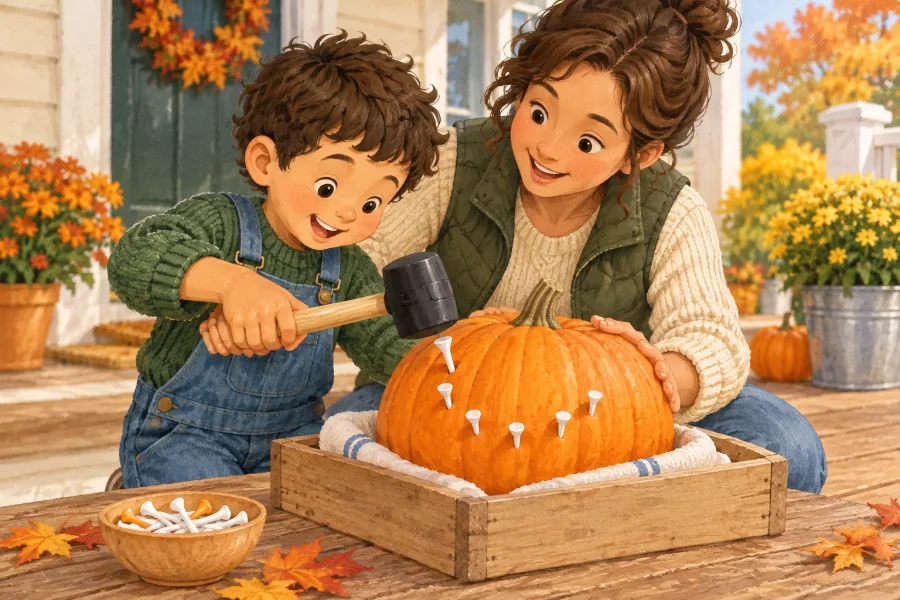
A real pumpkin, a kid-sized hammer, and golf tees: carving skills without the knife.
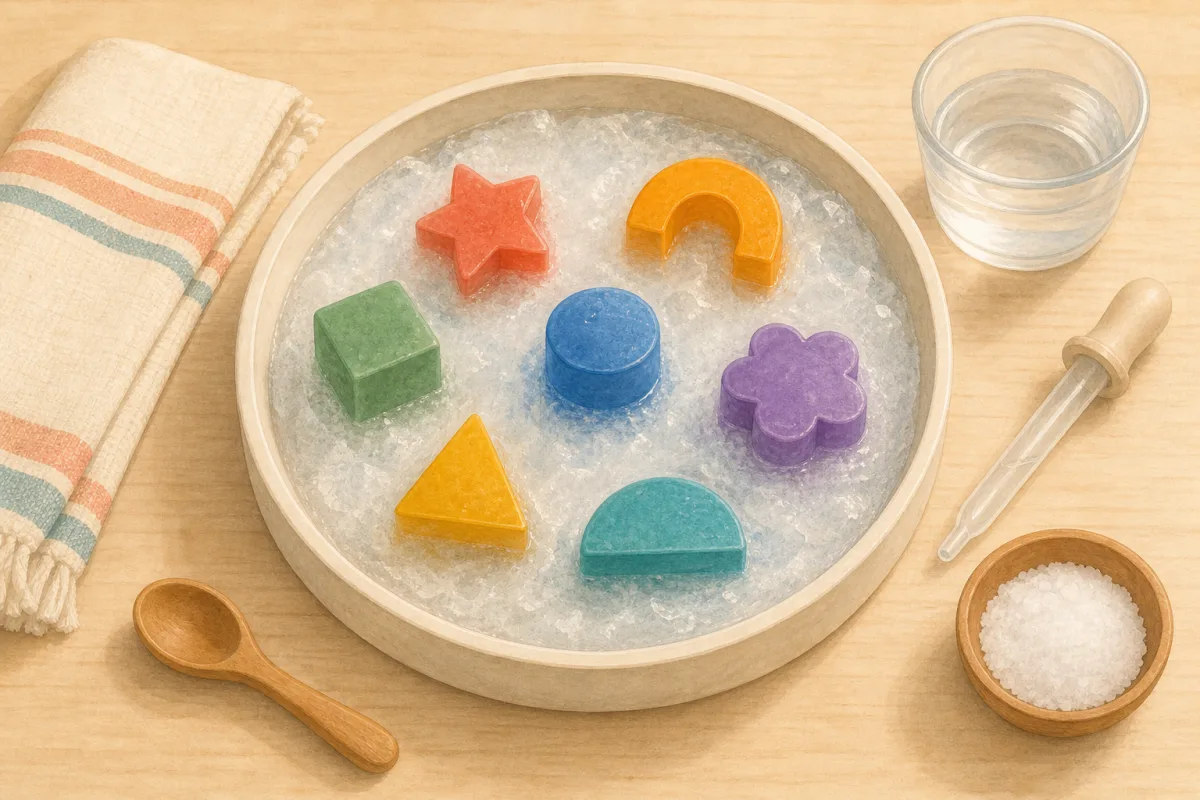
Free colorful toys from ice with warm water, salt, and tiny tools.
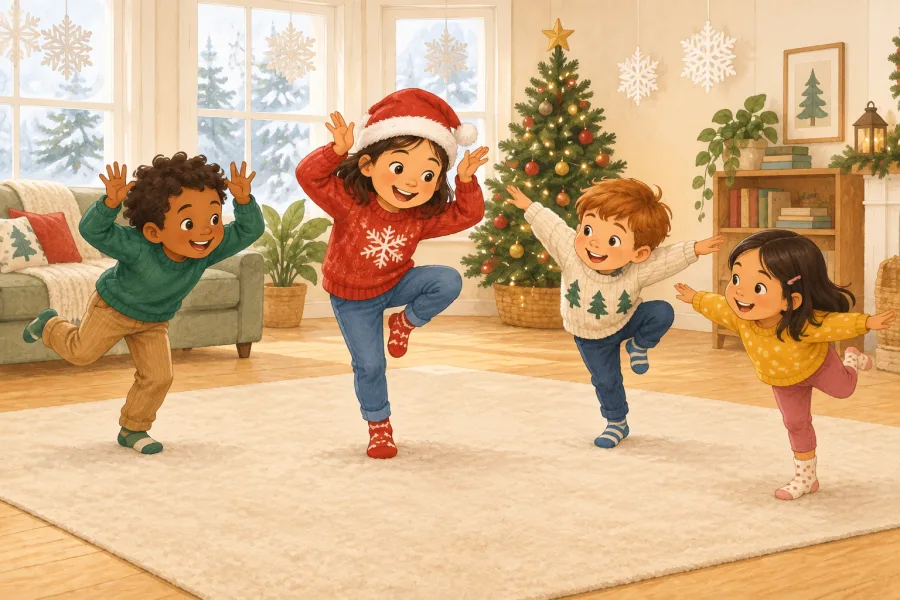
Give Simon Says a Christmas twist with reindeer hops, elf steps, and plenty of listening.
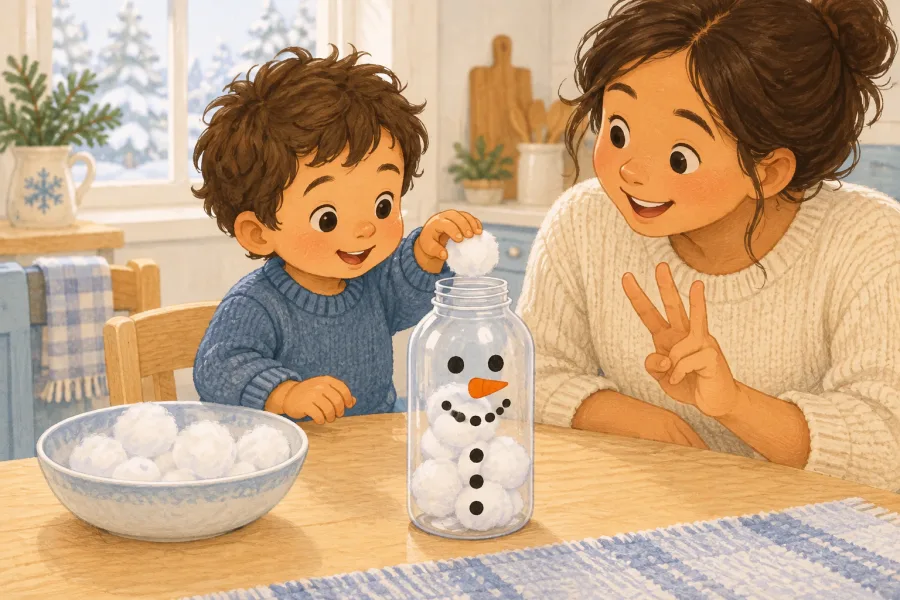
Draw a face on a bottle, hand over the cotton balls, and watch a snowman come to life one snowflake at a time.
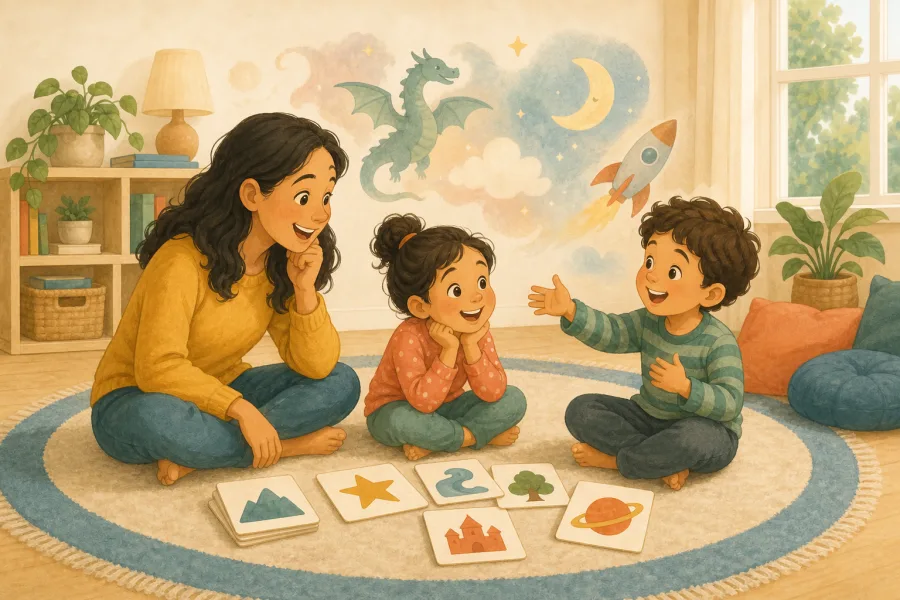
Build a ridiculous story together, one sentence at a time.
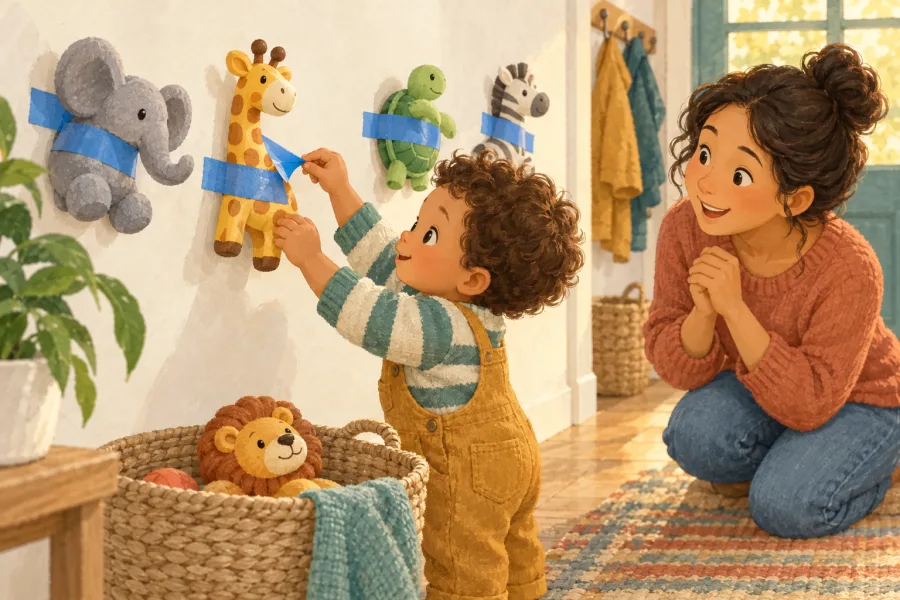
Tape their favorite toys to the wall and watch a tiny rescue mission unfold.
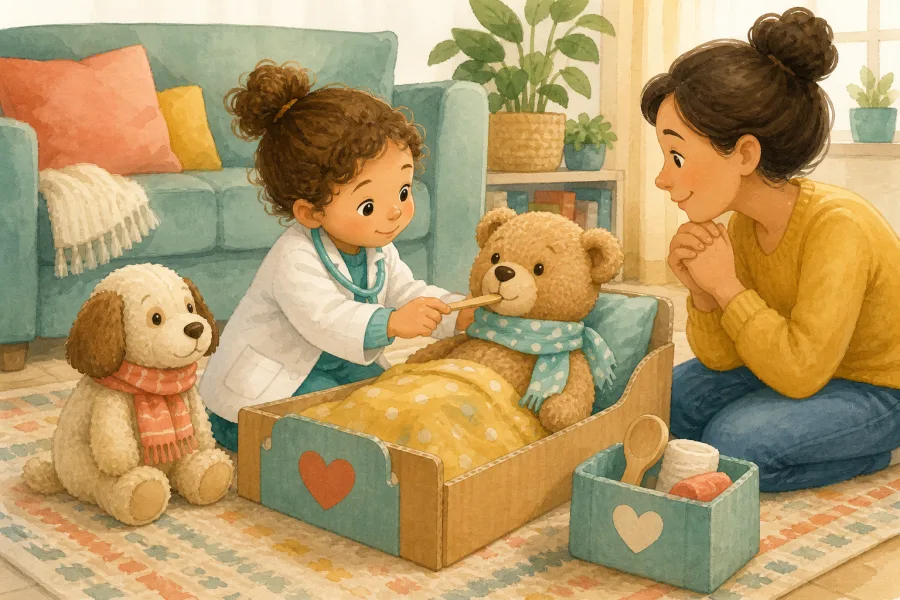
The stuffed animals are feeling poorly today — luckily, the doctor is in.
Keep the thinking visible
“What do you notice?” and “What might happen?” leave room for observation and prediction.
A pause gives children time to retrieve a word, revise a plan, or discover that the first idea did not work.
Connect words to what is happening now: rough bark, three sides, faster melting, or a letter on a sign.
Helpful answers
Look for comparing, repeating with a change, explaining, predicting, remembering a rule, or using a new word—not just a correct final answer.
Occasional genuine questions can extend thinking, but constant testing may interrupt concentration. Describe and wonder alongside the child instead.