
An activity you can start today
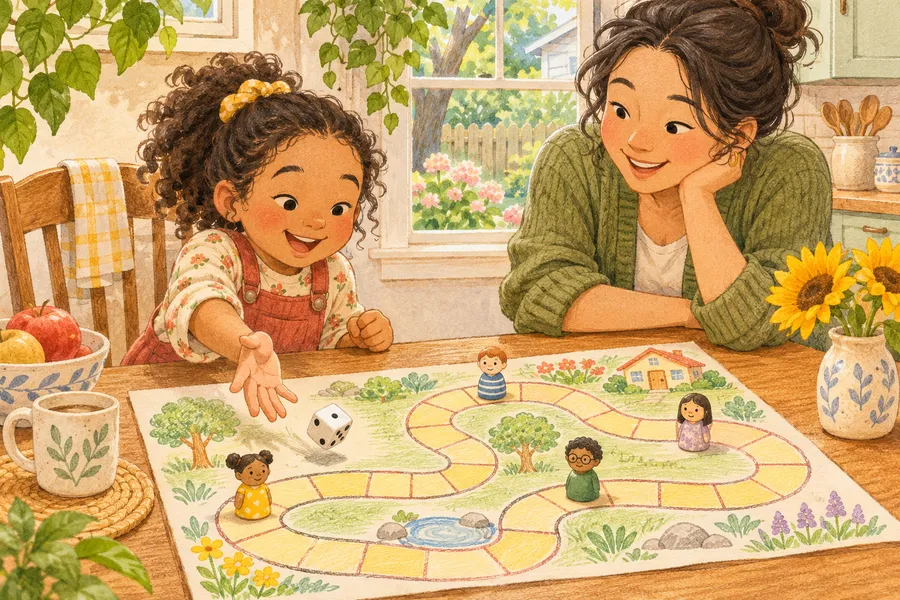
Draw Your Own Board Game
A big sheet of paper, a winding path of squares, and a die. Your kid designs the game, then you both play it.
Know before you start
At a glance
- Setup
- 5 min
- Cleanup
- 5 min
- Mess
- low
- Energy
- calm
- Adult help
- hands-on
Before you start
- Tape the paper down so it does not slide while your child draws.
- Agree on the path shape first: a winding snake, a spiral, or a loop with a shortcut.
- Pick one special square rule to start with so the first game stays quick.
Step by step
Let’s play
- Draw the path. Use a pencil to sketch a winding line of 20 to 30 squares from START to FINISH. Let your child trace over it in marker and write the numbers in each square.
- Add special squares. Pick three or four squares and decide together what they do: slide back 2, jump ahead 3, do 5 jumping jacks, tell a joke. Draw a small symbol in each one.
- Choose your pieces. Each player picks a small toy. Put them on START.
- Say the rules out loud. Youngest goes first, then turns go around the table. A special square works once per turn, so landing on one after a jump does not trigger another. You reach FINISH with any roll that gets you there or past it. Ask your child to repeat the rules back.
- Play. Roll the die, count the dots together, then move that many squares, counting each one out loud as the piece lands.
- Talk about the ending. When someone wins, shake hands and say “good game.” If your child loses, name the feeling and remind them there is always another round.
The child’s-eye view
Why kids love it
They get to invent the rules, name the squares, and decide what happens when you land on the swamp. Then they get to beat you at a game they made themselves.
Built into the fun
What they’re learning
Rolling a die, counting the dots, then moving a piece square by square links a number to a real distance. Saying each number out loud as the piece lands helps children keep track.
Deciding the rules before playing means your child has to think about what is fair for everyone. Talking through what happens when you lose gives them words for a feeling that is hard in the moment.
Choosing where the special squares go and how long the path should be asks children to think about the whole game before it exists.
Make it fit your child
Ways to change the game
Two dice
For older kids, roll two dice and add the dots before moving. It turns the game into quick mental math.
Paper clip spinner
Bend a paper clip around a pencil tip and flick it to spin. Draw a circle divided into numbered sections as the spinner face.
Story squares
Write a short prompt on a few squares, like 'tell us a joke' or 'name three animals'. Landing there means a tiny performance instead of a move.
Real-life fixes
If it’s not going to plan
The game takes too long and attention fades
Shorten the path to 15 or 20 squares, or let players start closer to FINISH. A 10-minute game that ends happy beats a 40-minute one that ends in tears.
Your child melts down when they lose
Talk about losing before you start: 'Someone will win and someone won't, and both are okay.' Then model it. Lose cheerfully once and say 'good game' out loud.
Good to know
Frequently asked questions
What age can kids make their own board game?
Around 4 and a half, most kids can help draw a path and follow simple rules with an adult. By 6 or 7 they can design the special squares and rules mostly on their own.
What can we use if we don't have dice?
A paper clip spinner works well. You can also write numbers 1 to 6 on slips of paper and draw one from a cup each turn.
Kidtivity Lab activity guide · Last updated
Try next
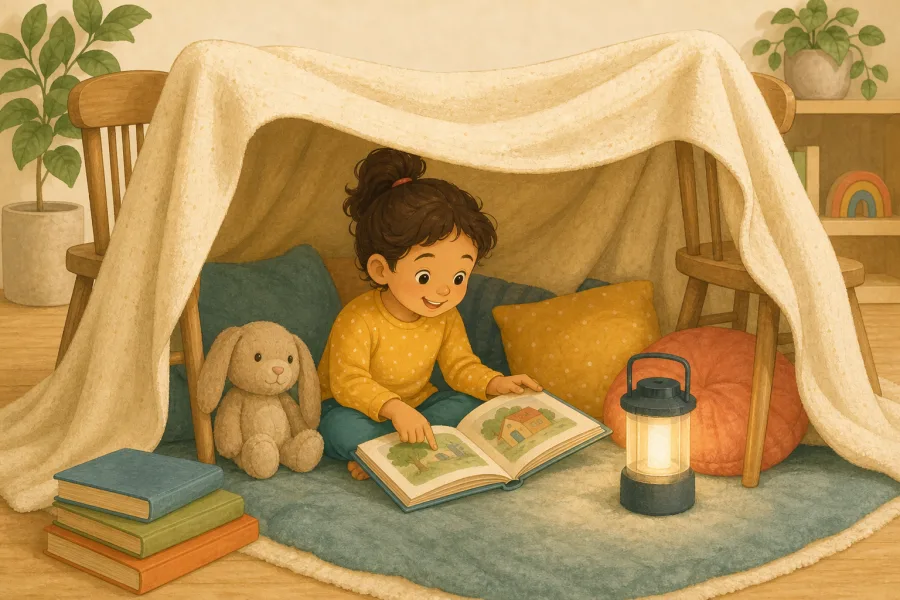
Blanket Fort Reading Den
Build a cozy den from blankets, then hide inside with books and a flashlight.
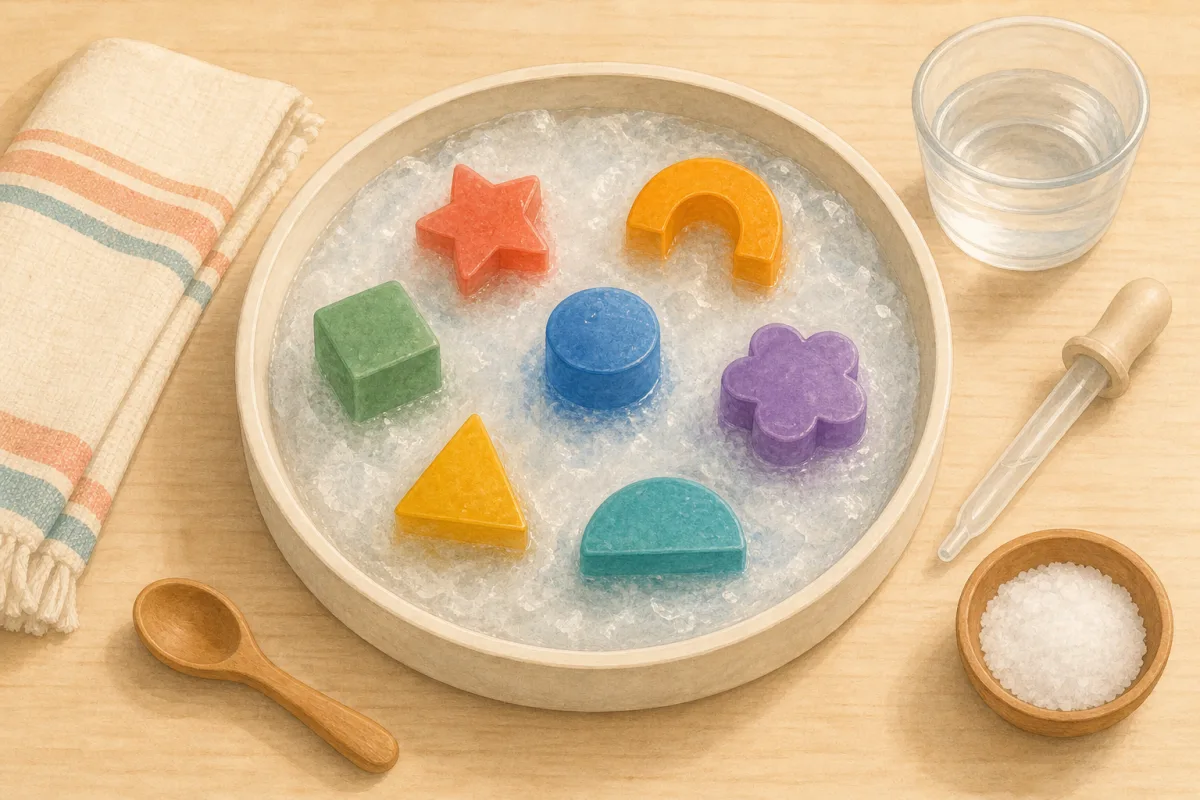
Rainbow Ice Rescue
Free colorful toys from ice with warm water, salt, and tiny tools.
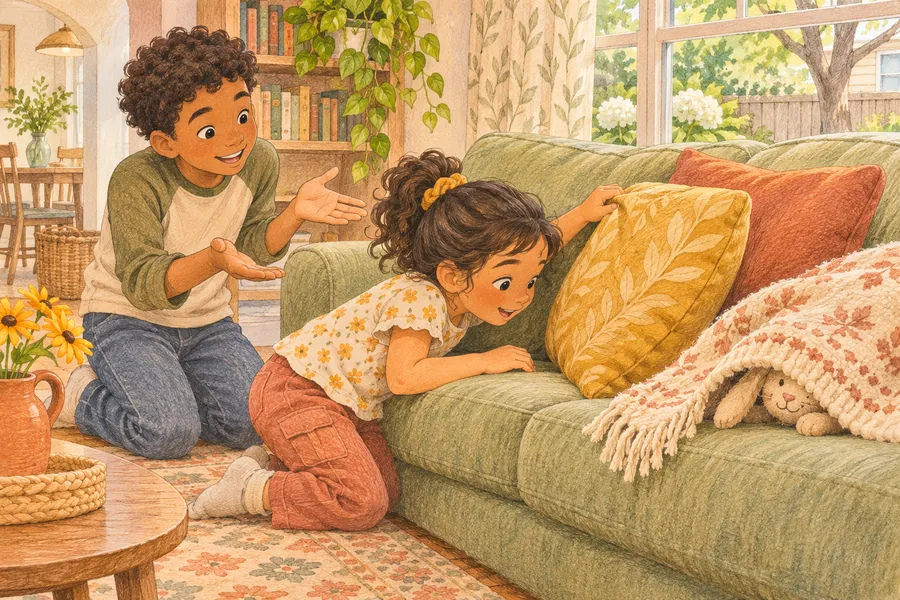
Hot and Cold Hide-and-Find
Hide a small toy, then guide the seeker with just four words: freezing, colder, warmer, hot.